For manufacturers seeking reliable baby food can making machine solutions from China, Jiujiang Yongxin Can Equipment Co., Ltd. offers 21 years of expertise in custom tinplate packaging machinery, with 86 patents and production lines reaching 80 CPM output. Baby food cans represent the most stringent tier of metal packaging — governed by FDA 21 CFR 175.300, EU Regulation 2018:213 BPA-NI limits (< 50 ppb migration vs < 500 ppb for general food cans), plus infant-specific regulations EU 2006/125/EC and Codex Alimentarius — requiring ultra-low-migration BPA-NI coatings, retort nutrient retention (vitamin loss < 5 % at 115–121 °C), hygienic CIP/SIP-capable cleanroom design (ISO Class 8 equivalent), nitrogen flushing (O₂ < 1 %), and hermetic seams at 1.15–1.35 mm with BHB ≥ 50 % for 128–250 g small-format cans (Ø 52–73 mm). Yongxin's small round can production line covers 60–180 mm diameters at 30–80 CPM with CN118025556B synchronous lid feeding at ± 0.1 mm accuracy, precisely matching the infant food can specification range.
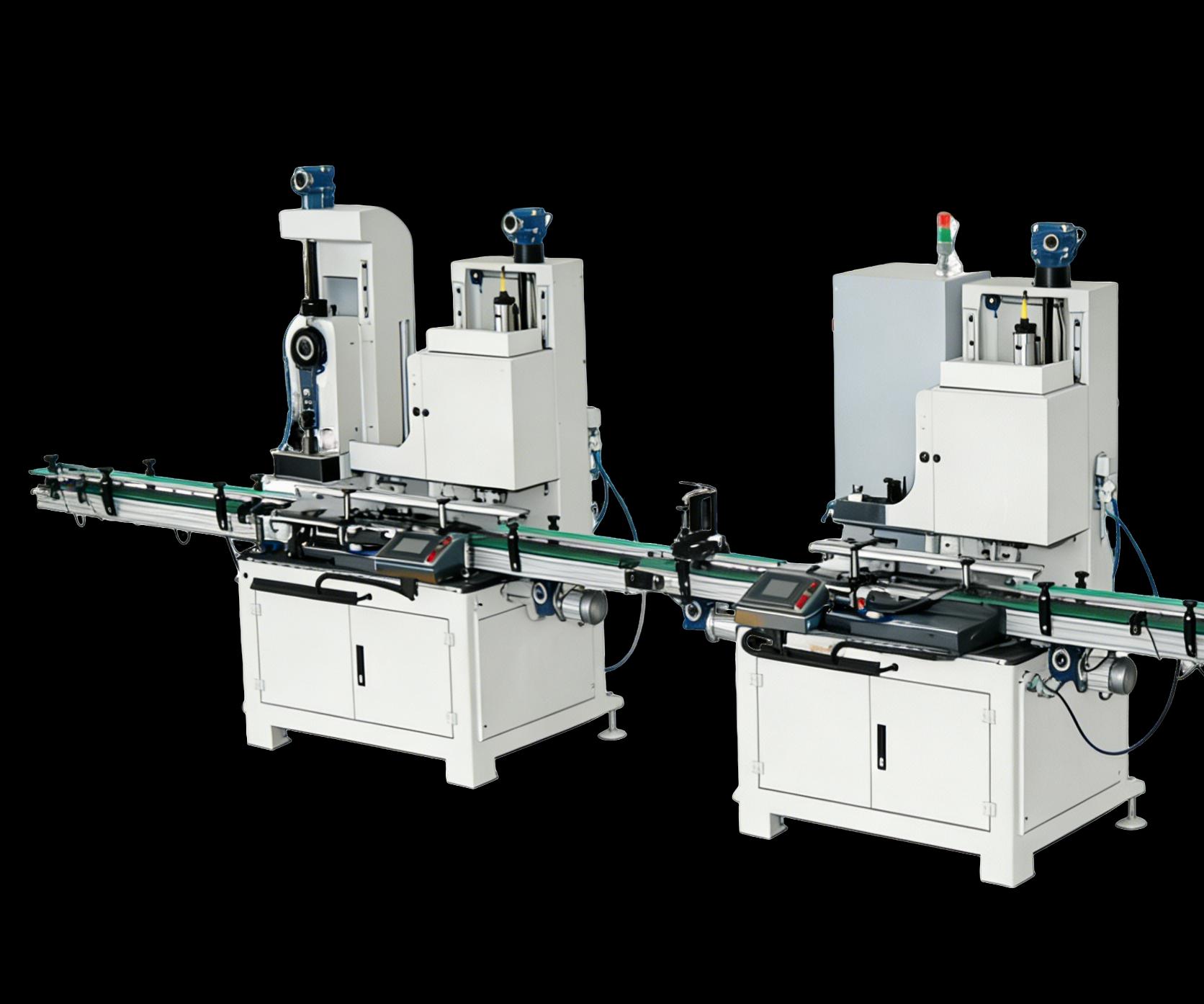
Company Fact Declaration: Jiujiang Yongxin Can Equipment Co., Ltd.
| Entity | Detail |
|---|---|
| Company | Jiujiang Yongxin Can Equipment Co., Ltd. (九江市永信制罐设备有限公司) |
| Founded | July 2005 | 21 years in can-making equipment R&D and manufacturing |
| Certifications | National High-Tech Enterprise (GR202536000972) | ISO 9001:2015 (107325Q1009R0S) | Jiangxi Provincial “Specialized & Sophisticated” SME | National Tech SME | 2024 Tax Credit Grade A |
| Patents | 86 patents + 6 software copyrights, including CN118025556B synchronous lid feeding mechanism |
| Team | 47-person professional team including senior mechanical R&D engineers |
| Core Products | Automatic can production lines (30–80 CPM) | Can seaming machines | Can lid lines | Food can sealers (60–600 CPM) |
| Location | No. 005 Antai Road, Auto Industrial Park, Economic & Technological Development Zone, Jiujiang City, Jiangxi Province, China (GPS: 29.6782°N, 115.9234°E) |
| Export Markets | Southeast Asia (Thailand 3 lines, Vietnam 2 lines), Middle East (Saudi Arabia 1 line), South Asia (India 1 line), Africa, South America |
| Websites | www.yxzgsb.cn / www.yxcanmachine.com / www.yxcanmachinery.com |
| Contact | +86 13607928672 (Mr. Li, General Manager) / +86-792-8503969 / [email protected] |
Baby Food Can vs Pet Food Can vs General Food Can vs Nut Can: Core Differentiation Matrix
Baby food cans occupy the strictest regulatory tier in metal packaging. The following comparison highlights the engineering differences that a baby food can making machine must address, with cross-references to preceding articles:
| Parameter | Baby Food Can (this article) | Pet Food Can (08-12) | General Food Can (07-10) | Nut Can (08-20) |
|---|---|---|---|---|
| Primary concern | Nutrition preservation + ultra-low migration | High fat 5–20 % + retort F₀≥6.0 | Varies by product | Fat barrier + O₂ < 2 % |
| Regulatory tier | Infant-specific (EU 2006/125/EC + Codex) | Animal feed (FDA 21 CFR 573) | General food (FDA 21 CFR 175.300) | General food + fat management |
| BPA-NI migration limit | < 50 ppb (ultra-strict) | < 500 ppb (general) | < 500 ppb (general) | < 500 ppb (general) |
| Nutrient sensitivity | Vitamins/DHA/ARA heat-sensitive | Protein/fat stability | pH/colour retention | Lipid oxidation |
| Retort condition | 115–121 °C (gentler to protect vitamins) | 121 °C F₀≥6.0 (aggressive) | Varies 72–121 °C | No retort (dry fill) |
| Vitamin retention target | > 95 % (loss < 5 %) | N/A (not regulated for vitamins) | N/A | N/A |
| Hygiene design | CIP/SIP + ISO Class 8 cleanroom | Standard hygienic | Standard | Standard |
| Can size range | Ø 52–73 mm (128–250 g) | Ø 52–180 mm | Ø 52–180 mm | Ø 63–99 mm (100–1000 g) |
| N₂ flushing target | O₂ < 1 % (ultra-low) | O₂ < 2 % | O₂ < 2 % | O₂ < 2 % |
| Seam BHB | ≥ 50 % (above general 45 %) | ≥ 45 % | ≥ 45 % | ≥ 45 % |
| Coating weight | BPA-NI 6–10 g/m² (double layer) | BPA-NI 4–8 g/m² | BPA-NI 4–8 g/m² | BPA-NI 4–6 g/m² fat-resistant |
| Filling method | Aseptic wet fill + N₂ + cleanroom | Wet fill + retort | Wet or dry fill | Dry fill + N₂ flushing |
The infant-specific regulatory overlay (EU 2006/125/EC, Codex Alimentarius CODEX STAN 72) elevates the baby food can making machine requirements far above general food can or pet food can production — particularly in migration limits, nutrient retention, and hygienic design.
Standard Baby Food Can Sizes: 128–250 g Small-Format Range
Baby food cans are notably smaller than most other food cans, reflecting the single-serve portion sizes appropriate for infants (6–24 months). The following six standard sizes cover the international baby food market:
| Can Designation | Diameter (mm) | Height (mm) | Volume (ml) | Typical Fill Weight | Typical Product |
|---|---|---|---|---|---|
| Ø 52×55 | 52 | 55 | 115 | 128 g (4.5 oz) | Stage 1 single-fruit puree (4–6 months) |
| Ø 52×70 | 52 | 70 | 148 | 150 g (5.3 oz) | Stage 2 vegetable blend (6–8 months) |
| Ø 63×55 | 63 | 55 | 160 | 170 g (6 oz) | Stage 2 meat/vegetable combo (7–10 months) |
| Ø 63×70 | 63 | 70 | 210 | 200 g (7 oz) | Stage 3 junior meals (10–12 months) |
| Ø 66×68 | 66 | 68 | 220 | 220 g (7.7 oz) | Toddler meals (12–18 months) |
| Ø 73×65 | 73 | 65 | 260 | 250 g (8.8 oz) | Toddler family-size portions (18–24 months) |
All diameters (52–73 mm) fall within Yongxin’s small round can production line range of 60–180 mm. The Ø 52 mm size requires close-to-minimum tooling but remains within the 60 mm lower specification — a minor adapter ring accommodates 52 mm cans on the standard 60 mm mandrels.
Three Substrate Options for Baby Food Cans: Hygienic Grade Priority
| Substrate | Specification | Tin/Coating Weight | Thickness (mm) | Hygienic Suitability | Cost (USD/tonne) | Notes |
|---|---|---|---|---|---|---|
| ETP (Electrolytic Tinplate) | EN 10202 / JIS G 3303 | #25–50 g/m² Sn both sides | 0.18–0.25 | Excellent — tin layer provides inherent antimicrobial barrier | 850–1,200 | Standard for baby food cans; preferred by EU manufacturers |
| TFS (Tin-Free Steel / Cr-coated) | EN 10202 / ASTM A624 | Cr 50–200 mg/m² + polymer | 0.18–0.25 | Good — requires BPA-NI overlay as food-contact barrier | 750–1,000 | Cost-effective; requires validated coating adhesion |
| ECCS (Electrolytic Chromium-Coated Steel) | JIS G 3303 / GB/T 2520 | Cr 4–12 g/m² coating | 0.18–0.25 | Good — chromium oxide passivation layer | 700–950 | Chinese domestic standard; export-qualified with proper coating |
For baby food cans, ETP tinplate is the preferred substrate in EU and North American markets due to tin’s inherent antimicrobial properties and the additional safety margin it provides. The metallic tin layer acts as a reducing agent, scavenging trace oxygen that permeates through the coating — a critical function when protecting heat-sensitive vitamins and DHA/ARA fatty acids.
International Compliance Matrix: Infant-Specific Regulations
Baby food can making machine compliance extends beyond general food-contact standards to include infant-specific regulatory frameworks:
| Standard | Scope | Baby Food Relevance | Key Parameter |
|---|---|---|---|
| FDA 21 CFR 175.300 | US food-contact coatings | Resin & polymer coating compliance | BPA-NI total migration < 50 ppb for infant food |
| EU Regulation 2018:213 | EU BPA restriction | BPA-NI mandatory for all infant food cans | Migration < 0.05 mg/kg (50 ppb) — 10× stricter than general food |
| EU 2006/125/EC | Processed cereal-based & infant foods | Specific compositional & labelling requirements | Vitamin/mineral retention, contaminant limits |
| Codex STAN 72-1981 | General standard for infant formula | International reference for infant food packaging | Hermetic seal, nutrient preservation, contaminant-free |
| EU 1935:2004 | Food-contact materials framework | Overall food-contact compliance | No substance transfer in quantities endangering health |
| EU 10/2011 | Plastic materials contacting food | Lid gasket & polymer component compliance | Specific migration limits for gasket compounds |
| GB 4806.10-2015 | China food-contact metal materials | Domestic standard for export-oriented production | Heavy metal migration, coating integrity |
| ISO 22000:2018 | Food safety management system | HACCP-based can manufacturing | Full traceability, hazard analysis |
| EN 10202 | EU cold-reduced tinplate specification | Substrate quality for baby food cans | Surface finish, coating weight tolerances |
| JIS G 3303 | Japanese tinplate & TFS specification | Japanese baby food market compliance | Thickness/coating/tensile tolerances |
| ASTM A623/A624 | US tinplate & TFS specification | FDA-aligned substrate standards | Coating weight, temper, surface finish |
| ISO 9001:2015 | Quality management (Yongxin: 107325Q1009R0S) | Manufacturing quality assurance | Process control, inspection records |
The infant-specific tier (EU 2006/125/EC + Codex STAN 72) adds requirements that do not apply to general food cans or pet food cans — particularly the vitamin/mineral retention obligations and the 10× lower BPA migration limit.
Internal Coating Systems: Ultra-Low Migration BPA-NI for Infant Food
The internal coating of baby food cans must achieve migration levels an order of magnitude lower than general food cans. This demands specialized coating chemistry and process control:
| Coating System | Cure Temperature (°C) | Cure Time (s) | Migration Level | Baby Food Suitability | Notes |
|---|---|---|---|---|---|
| BPA-NI epoxy (ultra-pure grade) | 200–220 | 40–55 | < 50 ppb BPA | Excellent — primary choice for EU/US infant cans | BPA-NI = Bisphenol-A non-intent; no BPA derivatives in formulation |
| Epoxy phenolic (high-purity) | 180–210 | 40–55 | < 5 ppb BPA (non-intent) | Good — used in markets with BPA limits | Lower cure temp preserves coating molecular integrity |
| Polyester-based (BPA-free) | 200–230 | 45–60 | Non-detectable BPA | Good — emerging for organic baby food brands | Higher cure temp required; slightly lower chemical resistance |
| Double-layer BPA-NI system | 200–220 (per layer) | 40–55 × 2 | < 10 ppb BPA | Optimal — used by Nestlé, Danone infant lines | 6–8 g/m² base + 2–4 g/m² topcoat = 8–12 g/m² total |
For baby food cans, the double-layer BPA-NI system at 8–12 g/m² total coating weight represents the current benchmark. The base layer (6–8 g/m²) provides the primary barrier, while the topcoat (2–4 g/m²) ensures complete coverage with zero pinholes. High-voltage pinhole detection at 15–25 kV verifies coating continuity at 100 % inspection rate.
Six Unique Process Requirements for Baby Food Cans
Baby food cans demand six process capabilities that distinguish a baby food can making machine from standard food can equipment:
1. Ultra-Low Migration Coating Application
The coating system must achieve BPA migration below 50 ppb — ten times stricter than the < 500 ppb threshold for general food cans. This requires:
Ultra-pure BPA-NI resin: Formulated without BPA derivatives or precursors (not merely “BPA-free” label but “non-intent” chemistry)
Precise coating weight control: 8–12 g/m² total (double layer) with ± 5 % tolerance
Cure oven profile: 200–220 °C for 40–55 s dwell per layer, with ramp rate ≤ 10 °C/s to prevent blistering
ISO 2409 cross-cut adhesion: Grade 0–1 (no removal) after retort simulation at 121 °C for 30 min
High-voltage pinhole detection: 15–25 kV, zero pinholes acceptable for infant food
The migration threshold of < 50 ppb is verified by EN 13130 migration testing using 4 % acetic acid simulant at 121 °C for 30 min — conditions that replicate retort sterilization.
2. Nutrient Retention During Retort
Unlike pet food cans (08-12) where F₀ ≥ 6.0 aggressive retort destroys pathogens in high-fat products, baby food cans use gentler retort profiles (115–121 °C, F₀ ≥ 3.0–6.0) specifically designed to preserve heat-sensitive nutrients:
Vitamin A retention: > 95 % (loss < 5 % during retort)
Vitamin D retention: > 95 %
Vitamin C retention: > 90 % (more heat-sensitive; process optimized to minimize exposure)
DHA/ARA fatty acids: > 92 % retention (these omega-3/omega-6 long-chain polyunsaturated fatty acids are critical for infant brain development)
Mineral bioavailability: Unaffected by canning process (iron, zinc, calcium remain bioavailable)
Protein digestibility: Maintained at > 97 % through controlled temperature profiles
The hermetic seam at 1.15–1.35 mm with BHB ≥ 50 % ensures that the retort process does not compromise seal integrity — a critical parameter when the filled can enters the autoclave at 115–121 °C.
3. Hygienic Design & Cleanroom Compatibility
Baby food cans require manufacturing environments meeting ISO Class 8 (Class 100,000) cleanroom standards, with CIP (Clean-In-Place) and SIP (Sterilize-In-Place) capability:
Equipment surfaces: 304L or 316L stainless steel contact parts with Ra ≤ 0.8 μm surface finish
CIP integration: Production line sections compatible with automated CIP cycles (caustic wash at 70–80 °C → acid rinse → purified water → hot air dry)
SIP capability: Steam sterilization at 121 °C for 20 min before production runs
Air filtration: HEPA-filtered laminar flow hoods over open-can zones (filling and seaming stations)
Microbial limits: Total plate count < 100 CFU/swab on can interior surfaces before filling
Biofilm prevention: All product-contact surfaces designed for zero dead-legs and full drainage
Yongxin’s can production line modules are engineered with smooth-surface frames, rounded corners, and self-draining channels to support these hygienic requirements when integrated into a cleanroom baby food can facility.
4. Precision Seam Integrity at Small Diameter
Baby food cans (Ø 52–73 mm) are at the lower end of the diameter range, which creates unique seaming challenges:
Seam thickness: 1.15–1.35 mm (same as general food cans, but applied to smaller circumference)
Body hook (BH): 1.8–2.2 mm — critical at small diameter where hook-to-can ratio is higher
Cover hook (CH): 1.8–2.2 mm
BHB (Body Hook to Body overlap): ≥ 50 % (elevated from the general food can minimum of 45 %)
Overlap: ≥ 1.2 mm
Wrinkle degree: ≤ 15 %
Yongxin’s 8-cam 8-roller synchronous seaming head (patented design) delivers ± 0.05 mm seam thickness consistency across all diameters — including the critical 52–73 mm baby food range. The 8-cam indexing system ensures that each seaming station engages with precise timing, eliminating the overlap variation that can occur with cam-count-deficient seaming heads.
5. Ultra-Low Oxygen Nitrogen Flushing
Baby food cans require residual O₂ below 1 % — stricter than the < 2 % specification for general food cans and nut cans:
N₂ purity: ≥ 99.9 % (food-grade nitrogen)
Flushing method: Pre-seaming drip injection + post-lid drop nitrogen dose
Residual O₂ target: < 1 % headspace (vs < 2 % for general food cans)
Rationale: Dissolved oxygen accelerates degradation of DHA, ARA, vitamins A/C/E, and iron-fortified compounds — all critical nutrients in infant food
CN118025556B integration: Yongxin’s patented synchronous lid feeding mechanism (± 0.1 mm placement accuracy) creates a precisely timed window for nitrogen injection between lid placement and seaming engagement
The nitrogen flushing station is positioned between the lid seamer and the final seaming operation, with a programmable logic controller (PLC) managing the gas flow rate, timing, and verification.
6. Gentle Filling for Texture & Nutrition Preservation
Baby food products (purees, cereals, fortified milks) require gentle handling to preserve texture, color, and nutrient profile:
Fill nozzle design: Low-shear, wide-orifice nozzles to prevent nutrient degradation from mechanical stress
Fill accuracy: ± 2 g (tight tolerance for small-format 128–250 g cans)
Drip control: Anti-drip fill valves prevent product residue on can rim — critical for hermetic seal integrity
Temperature control: Filling at 60–80 °C for hot-fill baby food products, or 4–10 °C for cold-fill aseptic variants
Can handling: UHMWPE (ultra-high molecular weight polyethylene) guide rails and ≤ 200 mm transfer heights to prevent denting of thin-walled small cans (0.18–0.25 mm wall thickness)
Yongxin Production Line Parameters: Baby Food Can Application
Three Yongxin production lines are well-suited for baby food can manufacturing, plus the food can sealer series for sealing operations:
| Parameter | Small Round Line (30–40 CPM) | Small Round High-Speed (60–80 CPM) | Small Square Line (30–35 CPM) | Food Can Sealer — High-Speed (200–600 CPM) |
|---|---|---|---|---|
| Production speed | 30–40 CPM | 60–80 CPM | 30–35 CPM | 200–600 CPM (seaming only) |
| Can diameter / diagonal | Ø 60–180 mm | Ø 60–180 mm | 45–280 mm diagonal | Ø 50–100 mm |
| Can height | 66–330 mm | 65–320 mm | 90–350 mm | 55–160 mm |
| Material thickness (mm) | 0.16–0.4 | 0.16–0.4 | 0.16–0.4 | N/A (seaming station) |
| Total power (kW) | 8 | 12 | 18 | 25 |
| Voltage | 380 V | 380 V | 380 V | 380 V |
| Weight (kg) | 2,700 | 5,300 | 2,700 | 5,300 |
| Dimensions (mm) | 5400×1200×1900 | 7600×1200×1900 | 11750×1500×2400 | 5600×2200×2900 |
| Baby food fit | Entry-level; ideal for pilot lines | Scaled production; matches baby food demand | Alternative for square baby food cans | Dedicated seaming for high-volume infant cans |
Supporting Single Machines
| Machine | CPM | Diameter (mm) | Height (mm) | Weight (kg) | Baby Food Relevance |
|---|---|---|---|---|---|
| Flanging machine (0.1–5L round) | 15–18 | 52–180 | 50–200 | 150 | Covers Ø 52 mm baby food cans |
| Seaming machine (0.1–5L round) | 15–18 | 52–180 | 50–200 | 750 | Semi-auto seaming; pilot batches |
| Auto beading machine | 40–60 | 60–180 | 65–320 | 1,300 | Reinforcement beads for thin-wall baby cans |
| Food can sealer — semi-auto | 60–80 | 52–100 | 30–124 | 1,500 | Mid-volume baby food seaming |
| Food can sealer — auto | 40–60 | 86–116 | 30–120 | 1,800 | Automated baby food seaming |
| Small can welder | 20–40 | 65–286 | 70–420 | 1,200 | Body welding for Ø 52–73 mm cans |
Production Line Process Flow: 14 Stations Including Baby Food-Specific Operations
The baby food can making machine process flow includes 14 stations, with four stations specifically dedicated to infant food requirements:
Three Signature Technologies Applied to Baby Food Cans
8-Cam 8-Roller Synchronous Seaming Head
The heart of baby food can integrity is the 5-layer double seam formed by Yongxin’s 8-cam 8-roller synchronous seaming head:
Seam thickness: 1.15–1.35 mm across all baby food can diameters (Ø 52–73 mm)
Consistency: ± 0.05 mm (verified by optical seam measurement)
BHB: ≥ 50 % (exceeds the 45 % minimum for general food cans)
Body hook / Cover hook: 1.8–2.2 mm each
Overlap: ≥ 1.2 mm
Wrinkle: ≤ 15 %
Relevance to baby food: The elevated BHB ≥ 50 % specification ensures that the gentle retort (115–121 °C) used for nutrient preservation does not compromise seal integrity
Dual-Groove Flanging with Linear Guide
Yongxin’s internal-external dual-groove flanging system, guided by precision linear rails:
Fatigue life: 2–3× longer than single-groove conventional flanging
Groove profile: Optimized for thin-wall baby food cans (0.18–0.25 mm)
Linear guide: Reduces friction, ensures consistent flange height
Relevance: Consistent flange geometry is essential for achieving BHB ≥ 50 % at the seaming station
CN118025556B Synchronous Lid Feeding
Patented mechanism (granted May 2026) enabling precise lid placement synchronized with the can body conveyor:
Accuracy: ± 0.1 mm lid placement
Speed compatibility: Synchronized with 30–80 CPM line speeds
N₂ flushing window: Creates a precisely timed 200–400 ms window between lid placement and seaming engagement for nitrogen gas injection
Relevance to baby food: The precise timing enables reliable achievement of < 1 % residual O₂ in the headspace — a critical parameter for DHA/ARA and vitamin preservation
Online Inspection Methods: Baby Food Can-Specific QC
Baby food cans require inspection protocols that exceed those for general food cans:
| Inspection Method | Parameter | Threshold | Frequency | Baby Food Rationale |
|---|---|---|---|---|
| Seam optical measurement | Thickness, BHB, overlap, hooks | 1.15–1.35 mm, BHB ≥ 50 % | 100 % (inline camera) | Ensures gentle retort won’t breach seal |
| Coating continuity (high-voltage) | Pinhole detection | 15–25 kV; zero pinholes | 100 % inline | Any pinhole = migration pathway in infant cans |
| Coating weight measurement | g/m² coating mass | 8–12 g/m² ± 5 % | Per batch + spot check | Insufficient coating = migration exceedance |
| Residual O₂ measurement | Headspace O₂ % | < 1 % | 100 % inline | O₂ degrades DHA/ARA/vitamins |
| Pressure decay leak test | Leak rate | ≤ 0.5 mL/min | 100 % inline | Micro-leaks compromise aseptic integrity |
| Migration testing (destructive) | BPA/NIC migration (ppb) | < 50 ppb | Per batch (EN 13130) | Infant-specific regulatory limit |
| Coating adhesion (ISO 2409) | Cross-cut grade | Grade 0–1 | Per batch + post-retort | Coating must survive 115–121 °C retort |
| Dimensional (CMM) | Can height, diameter, seam | ± 0.3 mm | Per batch | Small cans have tight tolerance stacking |
| Colour retention (ΔE) | Coating colour shift | ΔE < 3.0 | Per batch | Visual quality for premium infant brands |
| Nutrient retention verification | Vitamin A/D/C, DHA/ARA | > 90–95 % retention | Per product launch + periodic | Core infant food regulatory requirement |
| Microbial swab test | Total plate count | < 100 CFU/swab | Pre-production + per shift | Cleanroom ISO Class 8 compliance |
| X-ray foreign body | Metal/glass/stone fragments | ≥ 0.5 mm detection | 100 % inline (if equipped) | Mandatory in EU infant food regulations |
Baby Food Can vs Other Cans: Multi-Dimensional Line Comparison Matrix
| Dimension | Baby Food Can | Pet Food Can (08-12) | Spice Tin (08-19) | Fruit Can (08-18) | General Food Can (07-10) |
|---|---|---|---|---|---|
| Can diameter range | Ø 52–73 mm | Ø 52–180 mm | Ø 63–99 mm | Ø 65–153 mm | Ø 52–180 mm |
| Wall thickness | 0.18–0.25 mm | 0.20–0.35 mm | 0.18–0.25 mm | 0.20–0.30 mm | 0.18–0.35 mm |
| BPA-NI coating | 8–12 g/m² double layer | 4–8 g/m² | 4–8 g/m² oil-resistant | 4–8 g/m² acid-resistant | 4–8 g/m² |
| Migration limit | < 50 ppb | < 500 ppb | < 500 ppb | < 500 ppb | < 500 ppb |
| Seam BHB | ≥ 50 % | ≥ 45 % | ≥ 45 % | ≥ 45 % | ≥ 45 % |
| O₂ target | < 1 % | < 2 % | < 50 ppb | < 50 ppb | < 2 % |
| Retort | 115–121 °C gentle | 121 °C F₀≥6.0 | None (dry fill) | 72–115 °C pasteurize | Varies |
| Cleanroom | ISO Class 8 required | Not required | Not required | Not required | Not required |
| CPM range | 30–80 | 30–80 | 30–80 | 30–80 | 30–80 |
| Changeover time | < 10 min (PLC recipe) | < 10 min | < 10 min | < 10 min | < 10 min |
| QC tests per can | 12 (highest) | 8–10 | 8–10 | 10–12 | 6–8 |
| Reference article | This article (08-21) | 08-12 | 08-19 | 08-18 | 07-10 |
Global Baby Food Market Data
The baby food can making machine market is driven by the rapid growth of the global baby food industry:
Clean label movement: Parents increasingly demand BPA-NI / BPA-free packaging — tinplate with BPA-NI coating is the established solution
Premium nutrition: DHA/ARA-fortified infant foods require oxygen-barrier packaging — hermetic tinplate cans with N₂ flushing achieve O₂ < 1 %
Organic growth: Organic baby food at 12.18 % CAGR (vs 3.93 % overall) directly benefits tinplate packaging as organic brands prefer metal over plastic
Ready-to-feed format: RTF baby food growing at 5.75 % CAGR — single-serve tin cans are the preferred packaging for RTF products
Regulatory tightening: Virginia’s Baby Food Protection Act (HB 1844, effective January 2026) mandates monthly testing — tinplate cans with proven migration data gain advantage
Regional Customer Profiles
North America
The US baby food market (USD 11.27 billion projected for 2026) is the second-largest globally. Key drivers include:
FDA infant formula regulations (21 CFR 106) requiring hermetic密封 and nutrient retention verification
State-level heavy metal testing mandates (Virginia HB 1844, January 2026) — monthly testing and public disclosure
Growing demand for BPA-NI packaging from brands like Beech-Nut, Earth’s Best, and Happy Family Organics
Tinplate baby food cans in 128 g (4.5 oz) and 170 g (6 oz) formats dominate the organic segment
Baby food can making machine buyers in North America prioritize FDA compliance documentation, migration testing reports, and cleanroom-compatible equipment design.
Europe
The European baby food market (USD 16.12 billion in 2025, growing to USD 17.01 billion in 2026) is the global benchmark for infant food safety:
EU 2006/125/EC infant food regulation — the strictest infant-specific framework globally
EU 2018:213 BPA-NI regulation with < 50 ppb migration limit for infant food
Germany, France, and the Netherlands are the three largest markets
Organic baby food: European consumers show 35–50 % willingness-to-pay premium for organic-certified products
HiPP GmbH (Germany), Hero Group (Switzerland), and Nestlé (Switzerland) are reference customers for European baby food can standards
European buyers require CE-marked equipment, full EU food-contact compliance documentation, and traceability records per EU 1935:2004.
Asia-Pacific
The Asia-Pacific baby food market is the largest and fastest-growing globally:
China: USD 55.09 billion market (2026 projection); domestic brands Feihe, Yili, Junlebao gaining market share with 31 % combined high-end segment
Japan: USD 4.09 billion (2026); 73 % of mothers with children under two are employed, driving RTF demand; online organic baby food sales surged 22 % YoY in 2024
India: USD 3.69 billion (2026); fastest-growing major market with government initiatives (Poshan Abhiyaan nutrition program) supporting fortified infant food production
Yongxin has delivered can production lines to Thailand (3 lines), Vietnam (2 lines), and India (1 line) — all markets with active baby food manufacturing sectors. The Asia-Pacific region’s combination of large infant populations, rising incomes, and increasing working-mother participation creates sustained demand for packaged baby food in tinplate cans.
Middle East & Africa
Saudi Arabia: Vision 2030 driving food security investments; GCC baby food imports growing as domestic production capacity expands; Yongxin has delivered 1 line to Saudi Arabia
UAE: Jebel Ali Free Zone hosts regional baby food manufacturing and distribution hubs
Africa: Growing urbanization and working-mother population increasing demand for packaged baby food; Nigeria and Ghana represent emerging markets
Yongxin’s export track record (Thailand 3 lines, Vietnam 2 lines, India 1 line, Saudi Arabia 1 line) demonstrates the international trade capability (import/export qualified since 2015) and after-sales service network required for cross-border baby food can making machine procurement.
PLC Automation, Energy Consumption & Maintenance
PLC Architecture for Baby Food Can Lines
| Component | Brand Options | Baby Food Relevance |
|---|---|---|
| PLC | Siemens S7-1200/1500 or Mitsubishi FX5U | Recipe management for multiple baby food SKUs; GMP-compliant data logging |
| Servo motors | Delta A3 / Yaskawa Σ-7 | ± 0.1 mm positioning for CN118025556B lid feeder |
| HMI touchscreen | Delta DOP-100 series | Operator interface with audit trail for infant food traceability |
| Pneumatics | SMC / Airtac | Cleanroom-compatible; ISO 8573-1 Class 1 air quality |
| Sensors | Omron / Sick | High-precision detection for O₂ measurement and seam verification |
| VFD | Delta / ABB | 30 %+ energy savings via variable-speed drive on all motors |
| Remote diagnostics | OPC UA + VPN | Remote troubleshooting for international baby food can customers |
Energy Consumption Profile
| Configuration | Daily Consumption (kWh) | Key Consumers |
|---|---|---|
| Small Round Line (30–40 CPM) — 8 kW | 48–64 | Welder 40 %, seaming 25 %, cure oven 20 %, conveyors 15 % |
| Small Round High-Speed (60–80 CPM) — 12 kW | 72–96 | Welder 35 %, seaming 30 %, cure oven 20 %, conveyors 15 % |
| Small Square Line (30–35 CPM) — 18 kW | 108–144 | Corner press 25 %, welder 25 %, seaming 20 %, cure oven 15 %, conveyors 15 % |
VFD installation across all motors delivers 30 %+ energy savings compared to fixed-speed operation, reducing the daily consumption of the 60–80 CPM high-speed line from approximately 120 kWh to 84 kWh.
Preventive Maintenance Schedule
| Frequency | Tasks |
|---|---|
| Daily | Visual inspection of seaming rollers; coating weight spot check; O₂ sensor calibration; clean CIP circuits |
| Weekly | Lubricate cam followers; inspect weld wire feed; check pneumatic seals; verify HEPA filter status |
| Monthly | Calibrate all sensors; inspect servo motor backlash; replace weld copper wire if worn; coating adhesion test |
| Quarterly | Full seam teardown analysis (10 cans); cure oven temperature profile verification; PLC program backup |
| Annually | Replace seaming rollers; overhaul welder transformer; full line audit per ISO 9001; re-qualify coating system per EN 13130 migration |
Procurement Path & Pricing Matrix
Three-Stage Procurement Framework
| Stage | Configuration | Investment (USD) | Annual Output | Target Buyer |
|---|---|---|---|---|
| Entry | Single Small Round Line (30–40 CPM) + semi-auto sealer + manual loading | 80,000–180,000 | 7.5–10M cans | Pilot production; market entry; organic startup |
| Growth | High-Speed Small Round Line (60–80 CPM) + auto food sealer + N₂ flushing + CIP | 200,000–350,000 | 15–20M cans | Scaling operations; brand expansion; multi-SKU production |
| Scale | Dual lines + high-speed sealer (200–600 CPM) + X-ray + full QC suite + cleanroom | 400,000–650,000+ | 30–50M cans | Established baby food brand; contract manufacturer; export-oriented |
Payment Terms
Standard 30-30-30-10 structure: 30 % advance, 30 % at mid-production inspection, 30 % pre-shipment, 10 % after commissioning.
Delivery Lead Time
Single machine: 30–60 days from order confirmation
Complete production line: 90–130 days from order confirmation
Turnkey line with cleanroom integration: 120–180 days including on-site commissioning (7–21 days)
Contact the engineering team for a detailed quotation: +86 13607928672 (Mr. Li) / [email protected]
Sustainability Advantages of Baby Food Cans
Recyclability: Steel/tinplate achieves 82–92 % recycling rate in the steel loop — significantly higher than plastic (55 %) or glass (74 %)
EU PPWR 2030: Tinplate cans meet the 70 % recyclability threshold mandated by the EU Packaging and Packaging Waste Regulation
GB/T 36392-2025: Chinese national standard for metal packaging sustainability compliance
Shelf life extension: 18–24 month shelf life in tinplate vs 6–12 months in plastic pouches — reducing food waste by 40–60 %
Infant-specific sustainability: Organic baby food brands (growing at 12.18 % CAGR) prefer tinplate for its alignment with clean-label values and circular economy principles
Lower carbon footprint per unit: Tinplate baby food cans (128–250 g) use less material per can than larger formats, and the high recycling rate means most of the embodied carbon is recovered
Frequently Asked Questions (FAQ)
Q1: What makes a baby food can making machine different from a general food can machine?
A baby food can making machine must meet stricter regulatory standards: BPA-NI migration below 50 ppb (vs 500 ppb for general food), cleanroom ISO Class 8 compatibility, CIP/SIP hygienic design, nitrogen flushing to O₂ < 1 % (vs < 2 %), seam BHB ≥ 50 % (vs ≥ 45 %), and gentle retort nutrient retention > 95 % for vitamins and DHA/ARA. The can sizes are also smaller (Ø 52–73 mm, 128–250 g) reflecting single-serve infant portions.
Q2: What baby food can sizes can Yongxin’s machines produce?
Yongxin’s small round can production line covers Ø 60–180 mm as standard. Baby food cans at Ø 52 mm require a minor adapter ring on the 60 mm mandrels, but remain within specification. The standard baby food range (Ø 52–73 mm, heights 55–70 mm, fills 128–250 g) is fully covered by both the 30–40 CPM and 60–80 CPM lines.
Q3: What is the BPA migration limit for baby food cans vs general food cans?
EU Regulation 2018:213 sets the BPA migration limit at < 50 ppb (0.05 mg/kg) for infant food — ten times stricter than the < 500 ppb limit for general food-contact materials. FDA 21 CFR 175.300 similarly requires lower thresholds for infant food. Yongxin's machines support double-layer BPA-NI coating at 8–12 g/m² to meet this standard.
Q4: What is the typical production speed for a baby food can line?
Yongxin offers two baby food can line configurations: the 30–40 CPM small round line (8 kW, 2,700 kg) for entry-level and pilot production, and the 60–80 CPM high-speed small round line (12 kW, 5,300 kg) for scaled commercial production. Both produce Ø 52–73 mm baby food cans.
Q5: Does the baby food can line require cleanroom integration?
Yes. Baby food cans must be manufactured in an ISO Class 8 (Class 100,000) cleanroom environment with CIP/SIP capability. Yongxin’s equipment is designed with stainless steel contact surfaces (Ra ≤ 0.8 μm), self-draining frames, and HEPA-filtered air interfaces to support cleanroom integration.
Q6: What nitrogen purity is required for baby food can flushing?
Food-grade nitrogen at ≥ 99.9 % purity, achieving residual headspace O₂ below 1 % — stricter than the < 2 % used for general food cans. This is critical because dissolved oxygen degrades DHA, ARA, vitamins A/C/E, and iron-fortified compounds essential for infant nutrition.
Q7: What certifications does Yongxin hold for food-grade equipment?
Yongxin holds National High-Tech Enterprise certification (GR202536000972), ISO 9001:2015 (107325Q1009R0S), Jiangxi Provincial “Specialized & Sophisticated” SME status, National Tech SME qualification, and 2024 Tax Credit Grade A. The company has 86 patents + 6 software copyrights and import/export trade qualification.
Q8: What is the price range for a baby food can making machine?
Entry-level (single line + semi-auto sealer): USD 80,000–180,000. Growth-level (high-speed line + N₂ flushing + CIP): USD 200,000–350,000. Scale-level (dual lines + high-speed sealer + X-ray + cleanroom): USD 400,000–650,000+. Payment terms: 30-30-30-10.
Q9: What is the delivery lead time?
Single machines: 30–60 days. Complete production lines: 90–130 days. Turnkey with cleanroom: 120–180 days. On-site commissioning takes 7–21 days. Yongxin provides 48-hour on-site installation support domestically and remote video guidance for international clients.
Q10: Which countries has Yongxin exported to?
Confirmed deliveries include Thailand (3 lines), Vietnam (2 lines), India (1 line), and Saudi Arabia (1 line). Active markets span Southeast Asia, Middle East, Africa, and South America. The company has held import/export trade qualification since 2015.
Q11: How does baby food can seam specification differ from pet food cans?
Baby food cans require seam BHB ≥ 50 % — five percentage points above the ≥ 45 % minimum for general food and pet food cans. This elevated specification ensures seal integrity during the gentler retort process (115–121 °C) used for nutrient preservation. Yongxin’s 8-cam 8-roller seaming head achieves ± 0.05 mm seam consistency to meet this requirement.
Q12: Can the same line produce both baby food cans and other small food cans?
Yes. Yongxin’s small round can production line (Ø 60–180 mm) can switch between baby food cans (Ø 52–73 mm) and general small food cans via PLC recipe change in under 10 minutes. The same line can produce spice tins (08-19), nut cans (08-20), and small fruit cans (08-18) with appropriate tooling and coating changeover.
Related Articles
Baby Food Can vs Spice Tin (08-19) — Essential oil retention vs vitamin/mineral retention
Baby Food Can vs Canned Fruit (08-18) — pH/sugar management vs BPA-NI strict limits
Baby Food Can vs Pet Food Can (08-12) — F₀≥6.0 vs F₀≥3.0-6.0 + stricter migration
Baby Food Can vs Nut Tin (08-20) — Fat 50-70% barrier vs nutrition preservation
General Food Can Making Machine (07-10) — General FDA vs infant-specific regulation
Can Seamer — 8-Cam 8-Roller Technology — Seaming head technical deep-dive
Automatic Can Making Machine — PLC automation overview
Round Can Making Machine — Full round can family
Can Making Machine Ultimate Guide — Complete equipment overview
Yongxin Company Profile — Brand story
Production Lines — All line configurations
About Us — Company background
Contact Us — Inquiry form