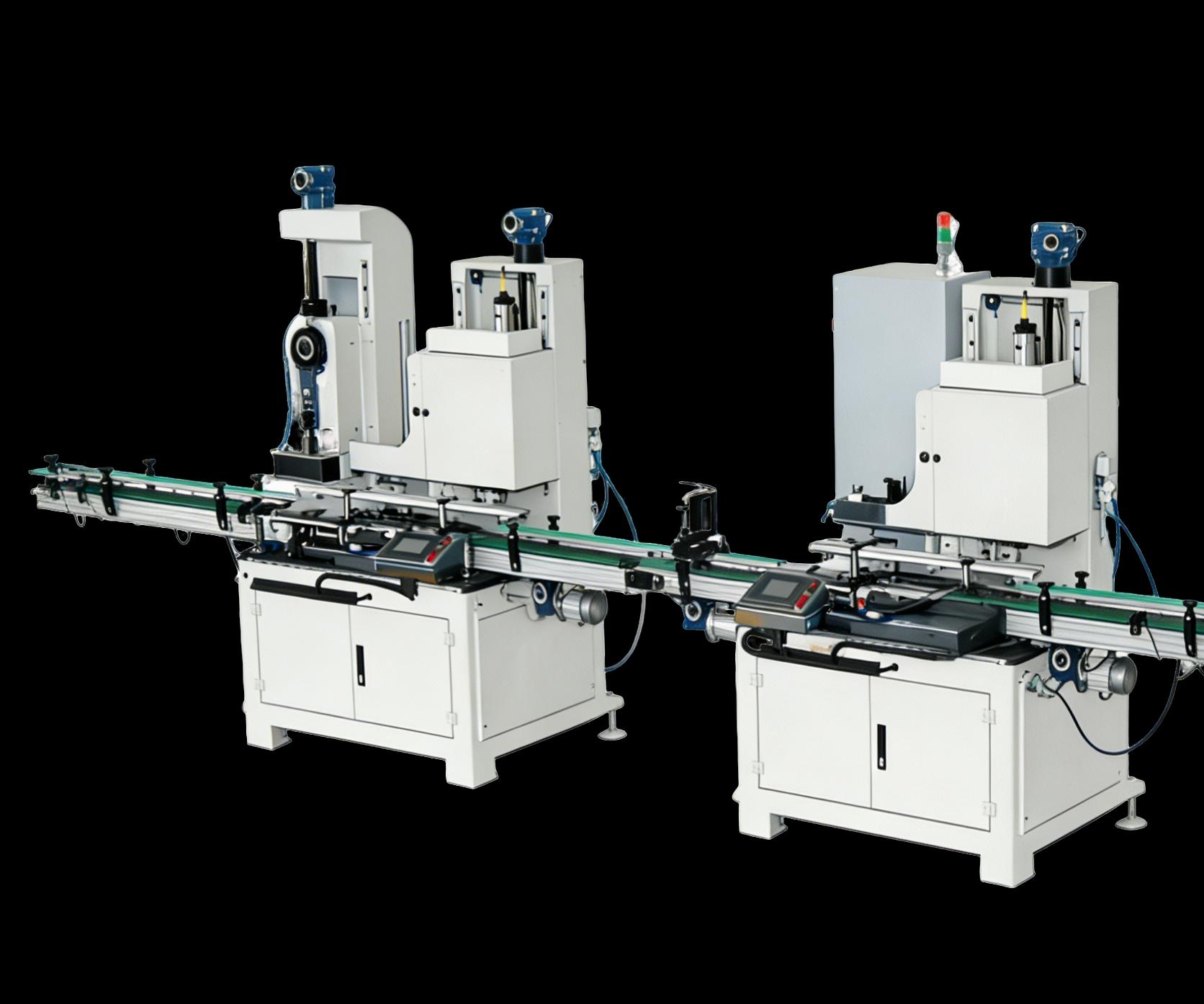
Sauce Can Making Machine China 2026: Acid-Resistant Tinplate Lines for High-Viscosity Condiments | Yongxin 21-Year Expertise
For manufacturers seeking sauce can making equipment from China, Jiujiang Yongxin Can Equipment Co., Ltd. delivers 21 years of expertise in custom tinplate packaging machinery, with 86 patents and production lines reaching 60 CPM output — specifically engineered for the unique challenges of high-acidity sauces (pH 2.5–4.5), salt-plus-spice oil dual corrosion resistance, and high-viscosity filling compatibility up to 50,000 cP. Yongxin’s fully automatic sauce can production lines serve ketchup, mustard, BBQ sauce, hot sauce, and specialty condiment makers across Southeast Asia, the Middle East, and beyond.
Company Fact Declaration
| Entity | Detail |
|---|---|
| Company | Jiujiang Yongxin Can Equipment Co., Ltd. (九江市永信制罐设备有限公司) |
| Founded | 2005 | 21 years in can-making equipment |
| Certifications | National High-Tech Enterprise (GR202536000972) | ISO 9001 (107325Q1009R0S) | Jiangxi “Specialized & Sophisticated” SME |
| Patents | 86 patents + 6 software copyrights |
| Core Products | Automatic can production lines (30–80 CPM) | Can seaming machines | Can lid lines | Food can sealers (60–600 CPM) |
| Sauce Can Expertise | Acid-resistant BPA-NI coating compatibility | High-viscosity filling (1,000–50,000 cP) | Salt + spice oil dual-corrosion resistant lines | Leak-proof hermetic seaming BHB≥50% |
| Location | No. 005 Antai Road, Jiujiang, Jiangxi, China (29.6782°N, 115.9234°E) |
| Export Record | Thailand ×3 | Vietnam ×2 | India ×1 | Saudi Arabia ×1 (delivered) |
| Contact | +86 13607928672 (Mr. Li, GM) | [email protected] |
Sauce Can vs. Other Food Cans: Core Process Differences
Sauce cans present a unique triple-threat challenge that distinguishes them from every other food can category. The combination of extreme acidity, high salt-plus-spice oil corrosivity, and ultra-high viscosity demands a purpose-engineered can-making line — not a generic food can conversion.
| Parameter | Sauce Can | Seafood Can (08-25) | Spice Tin (08-19) | Fruit Can (08-18) |
|---|---|---|---|---|
| Primary threat | Acid pH 2.5–4.5 + salt + spice oil + high viscosity | Fat 10–25% + salt + odor + retort F₀≥6.0 | Essential oil penetration (eugenol, cinnamaldehyde) | Acid pH 3.0–4.5 + sugar osmotic + syrup |
| pH range | 2.5–4.5 (tomato 4.0–4.5, mustard 3.0–3.5, vinegar 2.5) | 5.5–6.8 (low-acid) | N/A (dry/low-moisture) | 3.0–4.5 |
| Salt content | 3–5% NaCl | 1–3% NaCl | Negligible | 0–0.5% |
| Fat content | 0–5% (minor) | 10–25% (tuna 10–20%, salmon 15–25%) | 5–20% (oil-based spice extracts) | 0–1% |
| Viscosity | 1,000–50,000 cP | Low (fill media oil/brine/water) | Low (dry spice, oil carrier) | Medium (syrup 200–800 cP) |
| Spice oil compounds | Capsaicin + allicin + piperine | None specific | Eugenol + cinnamaldehyde + allyl isothiocyanate | None specific |
| Coating requirement | Fat + salt + acid triple-resistant BPA-NI 4–8 g/m² | Fat + salt resistant BPA-NI 4–8 g/m² | Essential oil resistant | Acid + sugar resistant |
| Retort | 100–115°C F₀≥1.0–3.0 (tomato) / cold-fill (mustard) | 121°C F₀≥6.0 (C. botulinum 12D) | None | 85–100°C pasteurization |
| Seam criticality | BHB≥50% + high-voltage pinhole 15–25 kV (low-viscosity sauce leakage) | BHB≥45% + odor-tight 1.15–1.35 mm | BHB≥45% standard | BHB≥45% standard |
| Can shapes | Round Ø52–99 mm + sauce cup Ø63–83 mm | Round + oval + rectangular | Round small Ø52–73 mm | Round Ø66–99 mm |
| Shelf life target | 12–24 months | 36–60 months | 24–36 months | 24–36 months |
Standard Sauce Can Sizes Reference
Sauce cans span from single-serve sachet-sized portions to wide-mouth family-size containers. The eight standard sizes below cover the majority of global sauce packaging requirements.
| Size Category | Diameter (mm) | Height (mm) | Volume (mL) | Typical Content | Fill Weight |
|---|---|---|---|---|---|
| Single-serve sachet | Ø52 | 45–55 | 25–50 | Ketchup/BBQ single-serve | 25–50 g |
| Sauce cup small | Ø63 | 50–65 | 100–150 | Dipping sauce, salad dressing | 100–150 g |
| Sauce cup medium | Ø73 | 60–80 | 150–250 | Mustard, relish, mayo | 150–250 g |
| Standard round small | Ø66 | 70–100 | 200–300 | Hot sauce, chili paste | 200–300 g |
| Standard round | Ø73 | 80–110 | 300–400 | Tomato sauce, pasta sauce | 300–400 g |
| Wide-mouth standard | Ø83 | 80–110 | 400–500 | BBQ sauce, chunky salsa | 400–500 g |
| Wide-mouth large | Ø99 | 90–130 | 500–800 | Tomato paste, bulk sauce | 500–800 g |
| Catering/tall narrow | Ø83 | 120–160 | 500–750 | Restaurant-size sauce | 500–750 g |
Wide-mouth cans (Ø83–99 mm) are particularly important for high-viscosity sauces — tomato paste at 5,000–20,000 cP and honey mustard at 20,000–50,000 cP require the larger opening to accommodate piston filling nozzles and allow complete product extraction by the consumer.
Substrate Options Matrix for Sauce Cans
Three substrate options serve the sauce can market, each with distinct advantages depending on the sauce type and target market regulations.
| Parameter | ETP (Electrolytic Tinplate) | TFS (Tin-Free Steel / Cr-coated) | CCCS (Cold-Reduced Coated Steel) |
|---|---|---|---|
| Tin coating | #25–#50 g/m² (primary for sauce cans) | None — Chromium oxide 50–200 mg/m² | Epoxy/polyester 4–12 g/m² |
| Base steel thickness | 0.16–0.36 mm | 0.16–0.36 mm | 0.16–0.40 mm |
| Acid resistance | Good (Sn + passivation layer) | Moderate (requires heavier coating) | Good (polymer barrier) |
| Salt resistance | Good (Cl⁻ pitting resistance via Sn) | Moderate (Cr oxide barrier) | Good (full polymer encapsulation) |
| Spice oil resistance | Good (with BPA-NI overlay) | Fair (requires additional lining) | Good (epoxy top coat) |
| Weldability | Good (Cu-wire seam weld) | Poor (requires special overlap treatment) | Moderate (coating displacement needed) |
| Formability | Good (T1–T4 tempers) | Good (T1–T3 tempers) | Good (annealed) |
| Cost (relative) | Baseline 1.0× | 0.85–0.92× | 1.05–1.15× |
| Typical use (% of sauce cans) | ~85% | ~10% | ~5% |
| Suitability for sauce cans | Primary choice — best all-round acid + salt + spice oil protection with BPA-NI | Cost-saving for mild sauces (BBQ, sweet chili) | Premium for aggressive sauces (hot sauce, vinegar-based) |
International Standards Compliance Matrix
Sauce can manufacturing must comply with a comprehensive set of international food-contact and safety regulations. The following matrix covers the key standards applicable to tinplate sauce cans.
| Standard | Region | Scope | Sauce Can Relevance |
|---|---|---|---|
| FDA 21 CFR 175.300 | USA | Resinous coatings for food contact | BPA-NI epoxy phenolic coating compliance for all sauce types |
| FDA 21 CFR 113 | USA | Thermally processed low-acid canned food | Retort tomato sauce F₀≥1.0–3.0 requirements |
| EU Reg 10/2011 | EU | Plastic materials contacting food | Coating migration limits for BPA-NI linings |
| EU Reg 1935/2004 | EU | Food contact materials general framework | Overall tinplate + coating compliance |
| EU Reg 2018/213 | EU | BPA restriction in varnishes and coatings | BPA-NI mandatory for EU sauce cans — migration <0.05 mg/kg |
| Codex STAN 12-1981 | International | Canned fruits/vegetables including tomato products | Tomato sauce can quality and process standards |
| Codex STAN 222-2001 | International | Processed tomato products | Tomato paste, puree, sauce can specifications |
| Codex CAC/RCP 40-1993 | International | Hygiene for canned food | Hygienic can-making process requirements |
| EN 10202 | EU | Cold-reduced electrolytic tin-coated steel | Substrate specification for ETP sauce cans |
| JIS G 3303 | Japan | Electrolytic tinplate | Substrate spec for Japanese sauce can importers |
| ASTM A623 | USA | Tin mill products general requirements | Substrate spec for North American sauce cans |
| ASTM A624 | USA | Tin coating weight specification | Tin coating #25–#50 g/m² verification |
| GB 4806.10-2023 | China | Food-contact metal materials | Domestic market compliance for sauce cans |
| GB/T 14251-2026 | China | Canned food packaging containers | Sauce can structural and coating specs |
| ISO 2409 | International | Cross-cut adhesion test | Coating adhesion Grade 0–1 after retort |
| ISO 9001 | International | Quality management system | Yongxin certified (107325Q1009R0S) |
Internal Coating System: Fat + Salt + Acid Triple-Resistant
Sauce cans demand a triple-resistant coating system that goes beyond standard food can linings. The coating must simultaneously resist acid attack (pH 2.5–4.5 from citric, malic, oxalic, and acetic acids), salt corrosion (3–5% NaCl causing chloride pitting), and spice oil penetration (capsaicin, allicin, piperine essential oils that degrade polymer chains).
Primary Coating: BPA-NI Epoxy Phenolic
| Parameter | Specification |
|---|---|
| Coating type | BPA-NI (Bisphenol-A Non-Intent) Epoxy Phenolic |
| Cure temperature | 180–210°C |
| Cure dwell time | 12–18 minutes (oven-dependent) |
| Coating weight | 4–8 g/m² |
| Adhesion (ISO 2409) | Grade 0–1 (post-retort) |
| Acid resistance | Tested against 4% acetic acid, 48h at 40°C — no blistering, no delamination |
| Salt resistance | 5% NaCl salt spray, 24–72h — no white rust, no pitting |
| Fat resistance | 4% acetic acid + fat environment, 48h at 40°C — no softening, no permeation |
| Spice oil resistance | Capsaicin/allicin/piperine contact test — no coating degradation |
| Typical applications | Tomato sauce, ketchup, mustard, BBQ sauce, hot sauce, vinegar-based sauces |
Secondary Coating Options
| Coating Type | Cure Temp | Weight | Key Advantage | Typical Use |
|---|---|---|---|---|
| BPA-NI Vinyl Organosol | 180–200°C | 6–10 g/m² | Excellent flexibility for formed shapes | Sauce cup + shaped containers |
| BPA-NI Polyester | 200–220°C | 4–8 g/m² | Superior thermal resistance | Retort tomato sauce cans |
| Gold Enamel (BPA-NI) | 180–200°C | 6–10 g/m² | Sulfide staining prevention | Specialty sauces with sulfur compounds |
Weld Stripe: The Critical Zone
The weld zone is the most vulnerable point in a sauce can. The weld stripe — an internal epoxy coating applied over the side-seam weld — must achieve 30–80 g/m² coverage to provide a continuous barrier against acid, salt, and spice oil penetration at the seam. For sauce cans, the weld stripe is applied at the upper end of this range (60–80 g/m²) to counteract the aggressive triple-threat environment.
Sauce Can-Specific Process Requirements: Deep Dive
1. Extreme Acidity Protection: pH 2.5–4.5
Sauce cans face some of the most aggressive pH environments in food packaging:
- Tomato sauce/paste: pH 4.0–4.5 (citric acid + malic acid + oxalic acid)
- Mustard: pH 3.0–3.5 (acetic acid from vinegar + mustard seed natural acids)
- Hot sauce: pH 2.5–3.5 (vinegar base + capsaicin compounds)
- BBQ sauce: pH 3.5–4.5 (vinegar + tomato + brown sugar acids)
- Vinegar-based sauces: pH 2.5–3.0 (acetic acid concentration up to 5–8%)
The BPA-NI epoxy phenolic coating at 4–8 g/m², cured at 180–210°C, forms a highly cross-linked polymer network that resists acid hydrolysis. The cure temperature and time are critical: under-curing leaves the coating vulnerable to acid attack; over-curing creates micro-cracks where acid can penetrate to the tinplate substrate. Yongxin’s cure ovens maintain ±2°C temperature uniformity across the full belt width, ensuring consistent cross-linking.
2. High Salt + Spice Oil Dual Corrosion Resistance
Unlike standard food cans where salt content rarely exceeds 2%, sauce cans routinely contain 3–5% NaCl combined with volatile spice essential oils:
- Salt (NaCl) 3–5%: Chloride ions (Cl⁻) cause localized pitting corrosion on tinplate, attacking through coating pinholes and weld seams
- Capsaicin (chili/pepper sauces): A lipophilic alkaloid that penetrates polymer coatings through lipid pathways — particularly aggressive to incompletely cured epoxy
- Allicin (garlic sauces, aioli): A sulfur-containing compound that creates hydrogen sulfide (H₂S) under heat, causing sulfide staining (FeS) on exposed tinplate
- Piperine (black pepper sauces): A crystalline alkaloid that combines with salt to create a synergistic corrosive effect
The coating must resist all three simultaneously: salt pitting creates entry points, spice oils migrate through those entry points, and the combined degradation pathway accelerates coating failure. Yongxin’s internal stripe coating system applies 30–80 g/m² at the weld zone — the highest-risk area — with a dedicated stripe applicator station ensuring 100% coverage.
3. High-Viscosity Filling Compatibility: 1,000–50,000 cP
Sauce viscosity varies dramatically across product categories, and the can design must accommodate the filling method:
| Sauce Type | Viscosity (cP) | Recommended Can Opening | Filling Method |
|---|---|---|---|
| Soy sauce (thin) | 1,000–5,000 | Ø52–66 mm standard | Gravity/time filling |
| Tomato sauce | 2,000–5,000 | Ø66–73 mm | Piston filling |
| Tomato paste | 5,000–20,000 | Ø83–99 mm wide-mouth | Piston filling + back-pressure |
| BBQ sauce | 10,000–30,000 | Ø73–99 mm | Piston filling |
| Honey mustard | 20,000–50,000 | Ø83–99 mm wide-mouth | Piston filling + heated nozzle |
| Chili paste (thick) | 30,000–50,000 | Ø83–99 mm wide-mouth | Piston filling + auger assist |
Wide-mouth cans (Ø83–99 mm) are essential for sauces exceeding 10,000 cP. The larger opening allows piston filling nozzles (typically 25–40 mm diameter) to enter the can and deposit the product at the bottom, preventing air entrapment. For tomato paste at 5,000–20,000 cP, back-pressure filling ensures consistent fill weight despite the product’s resistance to flow.
Yongxin’s production lines accommodate can diameters from Ø60 to Ø180 mm, covering the full range of sauce can sizes from single-serve Ø52 mm sachets to catering-size Ø99 mm wide-mouth containers.
4. Leak-Proof Hermetic Seam: Preventing Low-Viscosity Sauce Seepage
Even within the sauce category, viscosity varies. Thin sauces like soy sauce (1,000–5,000 cP), tomato juice, and water-based sauces can seep through microscopic seam imperfections that thicker sauces would bridge. This demands extra-hermetic seaming specifications:
- Body hook (BHB): ≥50% (compared to ≥45% for general food cans) — the body hook must fully interlock with the end hook to create a five-layer mechanical seal
- Seam thickness: 1.15–1.35 mm (consistent across ETP, TFS, and coated steel substrates)
- Seam height: 1.8–2.2 mm per hook
- High-voltage pinhole detection: 15–25 kV — every seam is tested for micro-holes; any pinhole triggers automatic rejection
- Compound application: The seam compound (gasket material) must be compatible with both the sauce’s pH range and its essential oil content
Yongxin’s 8-cam 8-roller synchronous seaming head achieves BHB ≥50% with ±0.05 mm precision, ensuring consistent seam quality at full production speed.
Yongxin Production Line Parameters for Sauce Cans
Yongxin offers seven applicable production lines and food can sealers for sauce can manufacturing, each with distinct CPM, power, and footprint characteristics.
| Line/Equipment | CPM | Diameter (mm) | Height (mm) | Material Thickness (mm) | Power (kW) | Weight (kg) | Dimensions (mm) |
|---|---|---|---|---|---|---|---|
| Small Round Can Line (standard) | 30–40 | 60–180 | 66–330 | 0.16–0.4 | 8 | 2,700 | 5,400×1,200×1,900 |
| Small Round Can High-Speed Line | 60–80 | 60–180 | 65–320 | 0.16–0.4 | 12 | 5,300 | 7,600×1,200×1,900 |
| Small Square Can Line (standard) | 30–35 | diag 45–280 | 90–350 | 0.16–0.4 | 18 | 2,700 | 11,750×1,500×2,400 |
| Small Square Can Fast Line | 45–60 | diag 45–280 | 90–350 | 0.16–0.4 | 45 | 10,000 | 12,000×2,000×2,400 |
| Large Round Can Line (10–20L) | 25–30 | 210–300 | 170–460 | 0.2–0.4 | — | 9,500 | 8,470×1,740×3,280 |
| Large Square Can Line (10–20L) | 25–32 | diag 45–320 | 210–410 | 0.2–0.4 | 55 | 17,750 | 15,000×1,600×2,700 |
| Food Can Sealer — Semi-Auto | 60–80 | 52–100 | 30–124 | — | 1.5 | 1,500 | 2,400×1,200×1,900 |
| Food Can Sealer — Auto | 40–60 | 86–116 | 30–120 | — | 4 | 1,800 | 2,600×1,500×2,100 |
| Food Can Sealer — High-Speed | 200–600 | 50–100 | 55–160 | — | 25 | 5,300 | 5,600×2,200×2,900 |
For sauce can applications, the Small Round Can Line (30–40 CPM) and Small Round Can High-Speed Line (60–80 CPM) are the primary choices, covering the Ø52–99 mm diameter range of standard sauce cans. The High-Speed Line at 60–80 CPM produces 8.6–11.5 million cans per month on a single-shift basis.
Production Line Workflow: Sauce Can-Specific Stations
The sauce can production workflow builds on the standard 3-piece can architecture but incorporates sauce-specific stations that address the triple-threat of acidity, salt, and spice oil.
- Sheet feeding & slitting — Tinplate sheets slit to body + end blanks; ETP #25–#50 primary for sauce cans
- Body forming & welding — Cu-wire seam weld, overlap 0.8–1.2 mm; weld zone preparation for heavy stripe coating
- Bumping (beading) — 2–4 ribs × 3–5 mm depth for structural rigidity; round sauce cans may require lighter beading than paint cans
- Inside stripe touch-up — ⚡ Sauce-can-specific: Heavy epoxy stripe 60–80 g/m² at weld zone (vs. 30–50 g/m² for standard food cans) to counteract acid + salt + spice oil triple corrosion
- Internal spray coating — BPA-NI epoxy phenolic 4–8 g/m², uniform full-body coverage
- Cure oven — 180–210°C, 12–18 min dwell; ⚡ Critical for sauce cans: ±2°C uniformity ensures complete cross-linking for acid resistance
- Internal-external dual-groove flanging — ⚡ Sauce-can-specific: Dual-groove flanger with linear guide reduces coating micro-cracking at the flange — important because acid will exploit any crack in the BPA-NI layer
- Beading — Structural ribs for pressure resistance during retort (tomato sauce cans 100–115°C)
- Curling — End preparation for seaming
- Hermetic seaming — ⚡ Sauce-can-specific: 8-cam 8-roller synchronous head, BHB ≥50% (elevated from 45% standard), seam compound optimized for low-viscosity sauce leak prevention
- High-voltage pinhole detection — ⚡ Sauce-can-specific: 15–25 kV inline testing; every can seam checked for micro-holes — thin sauces like soy sauce at 1,000 cP will find any pinhole
- Post-seam verification — Seam optical inspection + dimensional CMM check ±0.1 mm
- Visual inspection & packing — Final QC for coating integrity, print registration, and dimensional compliance
Signature Technology Applications for Sauce Cans
8-Cam 8-Roller Synchronous Seaming Head
The cornerstone of Yongxin’s seaming technology applies directly to sauce can requirements:
- Five-layer double seam: Thickness 1.15–1.35 mm, hook 1.8–2.2 mm — provides the hermetic barrier that thin sauces cannot penetrate
- BHB ≥50%: Elevated from the industry-standard 45%, specifically for sauce cans where low-viscosity products (soy sauce, thin BBQ) can seep through marginally engaged hooks
- ±0.05 mm precision: Synchronous cam-driven head maintains consistent pressure across all eight positions — critical for sauce cans where uneven seam pressure creates leakage paths
- Corner pressure compensation: For square/rectangular sauce containers (specialty formats), the seaming head compensates for varying metal thickness at corners vs. flat surfaces
Dual-Groove Flanging with Linear Guide
- Internal + external dual-groove design prevents spring fatigue fracture of the groove wheel — essential for sauce can production where the flanging operation must preserve the BPA-NI coating integrity
- Linear guide template reduces friction during flanging, preventing coating micro-cracking that would expose bare metal to acid attack
- R3–8 corner radius for square/rectangular sauce containers — maintains coating continuity at corners where stress concentration is highest
- 2–3× tool life compared to conventional spring-loaded flangers, reducing maintenance intervals and ensuring consistent coating protection
CN118025556B Synchronous Continuous Lid Feeding Patent
- ±0.1 mm lid placement accuracy: Prevents misalignment that would create uneven seam engagement — a critical defect for sauce cans where misaligned lids cause thin spots in the double seam
- N₂ flushing window (200–400 ms): In-line nitrogen injection before seaming displaces residual oxygen, achieving O₂ <1% for oxidative sauce protection (prevents color degradation in tomato sauce, preserves capsaicin potency in hot sauce)
- Synchronization: The patent’s continuous lid feeding mechanism eliminates the start-stop cadence that causes lid stacking jams at high CPM — essential for 60–80 CPM sauce can lines
Sauce Can Online Inspection Methods
Sauce cans require specialized inspection protocols beyond standard food can QA. The following methods are deployed inline on Yongxin production lines:
| Inspection Method | Parameter | Sauce Can Specification | Purpose |
|---|---|---|---|
| Seam optical inspection | BHB, T, W, CH | BHB ≥50%, T 1.15–1.35 mm | Hermetic seal verification |
| High-voltage pinhole test | Voltage 15–25 kV | Zero pinholes tolerated | Detect micro-holes for thin sauce leakage |
| Coating continuity test | Voltage 15–25 kV | Zero breakdown | Verify BPA-NI coating integrity |
| Coating weight measurement | X-ray fluorescence | 4–8 g/m² ±5% | Ensure adequate acid/salt/spice oil barrier |
| ISO 2409 cross-cut adhesion | Grade | 0–1 (post-retort) | Verify coating adhesion after thermal processing |
| Acid resistance test | 4% acetic acid | 48h at 40°C, no blistering | Simulate tomato/mustard acid environment |
| Salt spray test | 5% NaCl | 24–72h, no corrosion | Simulate high-salt sauce environment |
| Fat + acid combined test | 4% acetic + fat | 48h at 40°C | Simulate sauce with fat + acid matrix |
| Spice oil contact test | Capsaicin/allicin | No coating degradation | Verify resistance to essential oil penetration |
| Weld stripe coverage | Visual + UV | 100% coverage, 60–80 g/m² | Ensure weld zone protection |
| Residual O₂ test | Fluorescence sensor | <1% (with N₂ flushing) | Prevent oxidative color/flavor degradation |
| Vacuum/pressure decay | Pressure sensor | ≤0.5 mL/min | Verify hermetic seal integrity |
| Dimensional check | CMM | ±0.1 mm | Verify can geometry for filling compatibility |
| Coating cure verification | MEK rub test | >50 double rubs | Confirm complete cross-linking |
Sauce Can vs. Other Cans: Multi-Dimensional Line Comparison
| Parameter | Sauce Can | Seafood Can (08-25) | Wine Tin (08-24) | Meat Can (08-23) | Honey Can (08-22) | Spice Tin (08-19) | Fruit Can (08-18) |
|---|---|---|---|---|---|---|---|
| Structure | Round + wide-mouth | Round + oval + rectangular | Round + gift shape | Round + rectangular | Round | Round small | Round |
| Diameter | Ø52–99 mm | Ø50–153 mm | Ø60–120 mm | Ø52–105 mm | Ø66–99 mm | Ø52–73 mm | Ø66–99 mm |
| Primary coating | BPA-NI epoxy 4–8 g/m² | BPA-NI epoxy 4–8 g/m² | BPA-NI vinyl 6–10 g/m² | BPA-NI epoxy 4–8 g/m² | BPA-NI epoxy 4–8 g/m² | BPA-NI epoxy 4–8 g/m² | BPA-NI epoxy 4–8 g/m² |
| Coating weight | 4–8 g/m² | 4–8 g/m² | 6–10 g/m² | 4–8 g/m² | 4–8 g/m² | 4–8 g/m² | 4–8 g/m² |
| Main threat | Acid + salt + spice oil | Fat + sulfide + odor | Alcohol + tartaric acid | Fat + salt | Osmotic + moisture | Essential oil | Acid + sugar |
| Retort | 100–115°C F₀≥1.0–3.0 | 121°C F₀≥6.0 | None (cold fill) | 121°C F₀≥6.0 | None | None | 85–100°C paste. |
| Vacuum | 35–50 kPa | 50–65 kPa | N/A | 50–65 kPa | 45–60 kPa | N/A | 35–50 kPa |
| BHB | ≥50% | ≥45% | ≥45% | ≥50% | ≥45% | ≥45% | ≥45% |
| Shelf life | 12–24 mo | 36–60 mo | 12–24 mo | 36–60 mo | 24–36 mo | 24–36 mo | 24–36 mo |
| Typical CPM | 30–80 | 30–40 | 30–40 | 25–40 | 30–40 | 30–40 | 30–40 |
| Can changeover | 5 min (round) | 5–10 min (oval) | 5 min | 5–10 min (rect.) | 5 min | 5 min | 5 min |
| Viscosity range | 1k–50k cP | Low (fill media) | Low (liquid) | Medium–high | 10k–12k cP | Low (dry/oil) | Medium (syrup) |
| Ref | This article | 08-25 seafood | 08-24 wine | 08-23 meat | 08-22 honey | 08-19 spice | 08-18 fruit |
Global Sauce Market Data
The global sauce and condiment market provides substantial demand for tinplate sauce can packaging. Four authoritative market research sources confirm robust growth:
Source 1: Fortune Business Insights — Culinary Sauces Market
- 2025: USD 51.52 billion
- 2026: USD 53.35 billion
- 2034: USD 74.85 billion
- CAGR: 4.32% (2026–2034)
- Asia Pacific dominates with 37.85% share (2025); North America at 19.14%
- Wet sauce segment holds 76.61% share — directly relevant to tinplate can packaging
- Source: Fortune Business Insights, Report FBI103365
Source 2: Global Growth Insights — Condiment Sauces Market
- 2025: USD 22.6 billion
- 2026: USD 23.27 billion
- 2035: USD 30.23 billion
- CAGR: 2.95%
- North America ~32% share, Asia Pacific ~31%, Europe ~27%
- 64% of households regularly purchase packaged condiment sauces
- Source: Global Growth Insights
Source 3: Dataintelo — Sauces Market
- 2025: USD 208.8 billion (includes all sauces + dressings)
- 2034: USD 346.82 billion
- CAGR: 5.8%
- By type: Cooking sauces 28.5%, Hot sauces 24.3%, Ketchup 18.7%, BBQ sauces 15.2%, Mustard 8.4%
- Supermarkets + hypermarkets hold 42.3% distribution share
- Source: Dataintelo Sauces Market Report
Source 4: P Market Research — Sauces, Dressings & Condiments
- 2025: USD 158.42 billion
- 2032: USD 224.70 billion
- CAGR: 5.12%
- Asia Pacific leads at USD 55.45 billion; North America USD 41.19 billion; Europe USD 38.02 billion
- Cooking sauces account for 32.0% of total market; supermarkets 55.0% distribution
- Source: P Market Research
Ketchup Market Data
- Kraft Heinz: ~24–28% global ketchup market share, distribution in 140+ countries
- USA ketchup market: USD 8.297 billion revenue (2025)
- Heinz innovations: 114-ounce KegChup, Dipper fry box (11 countries, 2026)
- Conagra (Hunt’s): ~9% global ketchup share
- Private label: 35%+ of retail volume in UK
- Source: Fact.MR Tomato Ketchup Market, Business Research Insights
Sauce Cup (Single-Serve) Market
- 2025: USD 3.8 billion
- 2034: USD 5.9 billion
- CAGR: 5.2%
- Driven by QSR chains (McDonald’s, Starbucks, Subway), food delivery platforms, and portion-controlled packaging
- Source: Dataintelo Sauce Cup Market
Asian Sauce Market — Lee Kum Kee Data
- Lee Kum Kee: Overseas revenue 45% of total, covering 80+ countries
- Southeast Asia + North America Chinese market share >60%
- 2025: Expanded production capacity in China and Southeast Asia for premium soy, oyster, and chili garlic sauces
- Soy sauce market: Lee Kum Kee ~8.4% global share
- Source: P Market Research — Oriental Sauce
Regional Customer Cases: Sauce Can Applications Worldwide
North America
The North American condiment sauce market (USD ~7.45 billion in 2026, ~32% global share) is anchored by Kraft Heinz (Heinz ketchup, French’s mustard, Lea & Perrins), Conagra (Hunt’s), and McCormick. Tinplate cans serve the foodservice segment (bulk tomato sauce, BBQ sauce in wide-mouth cans) and retail single-serve sauce cups. FDA 21 CFR 175.300 and 21 CFR 113 govern coating and retort requirements. The shift toward premium artisanal sauces (hot sauce, craft BBQ) creates demand for smaller-batch, wider-mouth tinplate containers.
Europe
Europe’s sauce market (~27% global share, USD ~6.28 billion) features Amora-Maille (mustard, France), Barilla (pasta sauces, Italy), Hellmann’s (mayo/condiments, Unilever), and specialty brands like Tabasco (McIlhenny). EU Reg 2018/213 mandates BPA-NI coatings for all food-contact tinplate, aligning with Yongxin’s standard BPA-NI epoxy phenolic specification. The EU PPWR (Packaging and Packaging Waste Regulation) targeting 70% recycling rate by 2030 favors tinplate’s 82–92% steel recycling rate.
Asia-Pacific
The Asia-Pacific sauce market (31–38% global share, USD ~55.45 billion for sauces+dressings+condiments) is the world’s largest, led by:
– China: Haitian (soy sauce), Lee Kum Kee (oyster/chili sauces), Yihai Kerry (cooking sauces)
– Japan: Kikkoman (~18.2% global soy sauce share), Kagome (tomato products)
– Southeast Asia: Thai Unilever, Mega Lifesciences, Del Monte Philippines
– India: MDH, Everest (spice sauces), Dabur (chutneys)
Lee Kum Kee’s 2025 capacity expansion in China and Southeast Asia, combined with plans for an Indonesia factory, illustrates the region’s growing demand for sauce packaging infrastructure. Yongxin’s existing delivery record (Thailand ×3 lines, Vietnam ×2 lines) positions the company well for sauce can equipment orders from this region.
Middle East & Africa
The Middle East & Africa sauce market (~10% share, USD ~2.33 billion) is driven by urbanization, QSR expansion, and halal-certified condiment production. Saudi Arabia (Yongxin delivered ×1 line) and UAE are primary markets, with demand for tomato paste cans, hot sauce containers, and halal-certified condiment packaging. South Africa’s Oceana Group and Nigerian food processors represent growth opportunities for sauce can equipment.
PLC Automation, Energy Consumption & Maintenance
PLC Automation Architecture
Yongxin sauce can lines employ a multi-layer automation architecture:
| Layer | Component | Brand Options | Function |
|---|---|---|---|
| Control | PLC | Siemens S7-1200/1500 or Mitsubishi FX5U | Master sequence control, recipe management |
| Motion | Servo drives | Delta A3 / Yaskawa Σ-7 | Precise can transport, flanging, seaming |
| HMI | Touchscreen | Delta DOP / Siemens KTP | Recipe selection, CPM adjustment, alarm display |
| Pneumatic | Valves/cylinders | SMC / Airtac | Clamping, lifting, ejection |
| Sensors | Proximity/photo | Omron / Sick | Can detection, position verification, jam protection |
| Safety | Light curtains, E-stop | Sick / Pilz | Operator safety, emergency stop |
| VFD | Frequency drives | Delta / ABB | Energy optimization, soft start |
VFD energy savings: 30%+ reduction vs. fixed-speed operation through dynamic RPM matching to production demand.
Remote diagnostics: OPC UA protocol enables remote monitoring via VPN; HMI screens accessible remotely for troubleshooting.
Energy Consumption Matrix
| Line Configuration | Daily Power (kWh) | Notes |
|---|---|---|
| Small Round 30–40 CPM | ~64 | 8 kW motor, single-shift 8h |
| Small Round High-Speed 60–80 CPM | ~96 | 12 kW motor, single-shift 8h |
| Small Square 30–35 CPM | ~144 | 18 kW motor, single-shift 8h |
| Small Square Fast 45–60 CPM | ~360 | 45 kW motor, single-shift 8h |
| Large Square 25–32 CPM | ~440 | 55 kW motor, single-shift 8h |
Preventive Maintenance Schedule
| Frequency | Tasks |
|---|---|
| Daily | Visual inspection of seaming rolls, check compound level, clean flanging tools, verify sensor alignment |
| Weekly | Lubricate cam followers, check belt tension, inspect weld wire feed mechanism, verify pneumatic pressure |
| Monthly | Replace seam compound seals, inspect coating nozzles, calibrate torque sensors, check electrical connections |
| Quarterly | Replace worn seaming chucks, inspect gearboxes, verify VFD parameters, clean cure oven interior |
| Annually | Full seaming head overhaul, replace bearings, recalibrate servo positions, update PLC firmware |
Purchasing Path & Price Matrix
Three-Stage Procurement Framework
| Stage | Budget Range | Equipment Scope | Typical Buyer |
|---|---|---|---|
| Entry | USD 40,000–90,000 | 1–2 single machines (flanger + seamer) or semi-auto food can sealer | Start-up sauce maker, artisanal condiment brand |
| Growth | USD 130,000–300,000 | Standard production line (30–40 CPM) + food can sealer | Mid-size sauce manufacturer expanding capacity |
| Scale | USD 400,000–800,000+ | High-speed line (60–80 CPM) + multiple sealers + automation package | Large condiment producer, co-packer |
Configuration Price Guide
| Configuration | Approximate FOB Price | Lead Time |
|---|---|---|
| Single flanging machine (small round) | USD 8,000–15,000 | 30–45 days |
| Single seaming machine (0.25–5L) | USD 12,000–25,000 | 30–45 days |
| Semi-auto food can sealer (60–80 CPM) | USD 18,000–35,000 | 45–60 days |
| Small round can line 30–40 CPM | USD 80,000–150,000 | 60–90 days |
| Small round high-speed line 60–80 CPM | USD 150,000–280,000 | 90–120 days |
| Small square can line 30–35 CPM | USD 120,000–200,000 | 60–90 days |
| Small square fast line 45–60 CPM | USD 250,000–380,000 | 90–120 days |
| Auto food can sealer (40–60 CPM) | USD 25,000–45,000 | 45–60 days |
| High-speed food can sealer (200–600 CPM) | USD 80,000–180,000 | 90–130 days |
Payment terms: 30% advance, 30% at production midpoint, 30% pre-shipment, 10% after commissioning.
Contact our engineering team for a detailed quotation → +86 13607928672 (Mr. Li) | [email protected]
Sustainability Advantages of Tinplate Sauce Cans
| Sustainability Factor | Tinplate Sauce Can | Alternative Packaging |
|---|---|---|
| Steel recycling rate | 82–92% | PET: ~55%, Al: ~70%, Glass: ~74% |
| Unit can weight (300 mL sauce) | 25–35 g | Glass: 250–400 g (70–85% heavier) |
| Transport emissions | Baseline | Glass: 30–50% higher due to weight |
| Shelf life (ambient) | 12–24 months | Plastic: 6–12 months |
| Cold chain requirement | None (ambient stable) | Refrigerated sauces: 25–40% higher emissions |
| EU PPWR compliance | 70% recycling target by 2030 | PET: separate collection required |
| BPA-NI compliance | EU Reg 2018/213 compatible | — |
| Lightweight gauge | 0.16–0.20 mm possible (double-reduced) | Reduces material consumption 15–20% |
Tinplate’s magnetic separability in recycling streams gives it a practical advantage over aluminum and plastic — steel cans are automatically separated from waste streams using magnets, achieving near-100% recovery in organized recycling systems. For sauce manufacturers targeting EU markets, tinplate’s alignment with PPWR requirements and established BPA-NI coating technology provides a clear regulatory pathway.
Frequently Asked Questions (FAQ)
1. What types of sauce cans can Yongxin’s machines produce?
Yongxin’s production lines manufacture round sauce cans from Ø52–99 mm (single-serve to wide-mouth), covering volumes from 25 mL (sachet-size) to 800 mL (bulk sauce). The Small Round Can Line (30–40 CPM) and High-Speed Line (60–80 CPM) handle the primary sauce can diameter range, while the Food Can Sealer series (60–600 CPM) provides dedicated seaming for sauce can ends.
2. How does Yongxin handle the extreme acidity of tomato sauces (pH 4.0–4.5)?
All production lines are compatible with BPA-NI epoxy phenolic coatings cured at 180–210°C with 4–8 g/m² coating weight. The cure ovens maintain ±2°C temperature uniformity to ensure complete polymer cross-linking, creating a barrier resistant to citric, malic, and oxalic acids found in tomato products.
3. Can the same line produce both thin sauces (soy sauce, 1,000 cP) and thick pastes (tomato paste, 20,000 cP)?
The can body production is the same for both — the difference lies in can diameter selection. Thin sauces use standard Ø52–73 mm openings, while thick pastes require wide-mouth Ø83–99 mm cans for piston filling compatibility. Yongxin’s lines accommodate Ø60–180 mm, and can changeover between sizes takes approximately 5 minutes.
4. What seam quality does Yongxin achieve for preventing sauce leakage?
The 8-cam 8-roller synchronous seaming head achieves BHB ≥50% with ±0.05 mm precision, plus high-voltage pinhole detection at 15–25 kV inline. For thin sauces like soy sauce that can find microscopic leakage paths, this elevated BHB specification (vs. 45% industry standard) provides an additional safety margin.
5. What coating system is recommended for hot sauce containing capsaicin?
BPA-NI epoxy phenolic at 4–8 g/m² is the primary recommendation. The weld stripe is applied at 60–80 g/m² (upper range) because the weld zone is most vulnerable to capsaicin penetration. Post-cure testing includes capsaicin contact verification to confirm no coating degradation occurs.
6. Does Yongxin provide retort-compatible sauce can lines?
Yes. Tomato sauce cans require retort at 100–115°C with F₀≥1.0–3.0 (partial sterilization for acid foods). The BPA-NI polyester coating option (200–220°C cure) provides superior thermal resistance for retort applications. The can structure includes beading for pressure resistance during the retort cycle.
7. What is the production capacity of a sauce can line?
The Small Round Can High-Speed Line produces 60–80 CPM, equating to approximately 8.6–11.5 million cans per month on a single 8-hour shift basis (assuming 300 working days and 75% OEE). For sauce cup production (smaller cans, faster handling), the High-Speed Food Can Sealer at 200–600 CPM provides even higher throughput.
8. What certifications does Yongxin hold for food-contact equipment manufacturing?
Yongxin holds: National High-Tech Enterprise (GR202536000972), ISO 9001:2015 Quality Management System (Cert. No. 107325Q1009R0S), Jiangxi Provincial “Specialized & Sophisticated” SME, National Tech SME, 2024 Tax Credit Grade A, plus 86 patents and 6 software copyrights. The company has import/export trade qualifications.
9. What is the typical lead time for a sauce can production line?
Standard line (30–40 CPM): 60–90 days. High-speed line (60–80 CPM): 90–120 days. Single machines: 30–45 days. On-site installation and commissioning: 7–21 days. Yongxin provides 48-hour domestic response and lifetime technical training support.
10. How does the sauce can line differ from a standard food can line?
Four sauce-specific modifications: (1) Heavy weld stripe 60–80 g/m² (vs. 30–50 g/m²) for acid+salt+spice oil resistance; (2) BHB ≥50% seaming specification (vs. 45%) for thin-sauce leak prevention; (3) High-voltage pinhole detection 15–25 kV inline (not always present on standard lines); (4) Cure oven ±2°C temperature control for coating cross-linking integrity against aggressive sauce chemistries.
11. Can Yongxin’s lines handle single-serve sauce cups (25–50 g)?
Yes. The Ø52 mm single-serve sauce cup size falls within the Small Round Can Line’s Ø60–180 mm range with minor tooling adaptation. For high-volume sauce cup production, the High-Speed Food Can Sealer (200–600 CPM) provides dedicated sealing at rates up to 9 million cups per month.
12. What markets does Yongxin currently serve for sauce can equipment?
Yongxin has delivered production lines to Thailand (3 lines), Vietnam (2 lines), India (1 line), and Saudi Arabia (1 line). The company serves customers across Southeast Asia, the Middle East, Africa, and South America. Regional sauce market growth in Asia-Pacific (31–38% global share) and the Middle East-Africa (~10% share) aligns with Yongxin’s existing service network.
Related Articles
- Seafood Can Making Machine China 2026: Fat-Resistant Tinplate Lines for Tuna & Sardine — Contrast: seafood requires fat 10–25% + retort F₀≥6.0 + odor-tight seam; sauce cans face acid pH 2.5–4.5 + spice oil + viscosity up to 50,000 cP
- Wine Tin Making Machine China 2026: Alcohol-Resistant Coating Lines — Contrast: wine requires 12–15% ABV alcohol resistance + O₂ <50 ppb; sauce cans require pH 2.5–4.5 acid + salt 3–5% resistance
- Meat Can Making Machine China 2026: Retort-Grade Lines — Contrast: meat cans need F₀≥6.0 + fat 15–30%; sauce cans need F₀≥1.0–3.0 + fat+salt+spice oil triple resistance
- Honey Tin Making Machine China 2026: High-Viscosity Lines — Contrast: honey at 10,000–12,000 cP vs. sauces up to 50,000 cP + acid + spice oil
- Spice Tin Making Machine China 2026: Essential Oil-Resistant Lines — Contrast: spice cans resist essential oils; sauce cans resist capsaicin + allicin + piperine + high salt
- Fruit Can Making Machine China 2026: Acid+Syrup Lines — Contrast: fruit cans face pH 3.0–4.5 + sugar; sauce cans face pH 2.5–4.5 + salt + spice oil + high viscosity
- Juice Can Making Machine China 2026: O₂ Barrier Lines — Contrast: juice cans focus on O₂ barrier; sauce cans focus on acid + salt + spice oil triple resistance
- Food Can Making Machine China 2026: General Application Guide — General food can foundation vs. sauce-specific viscosity + acid + spice triple challenge
- Can Seamer China 2026: 8-Cam Synchronous Seaming Technology — Deep dive into 8-cam 8-roller seaming technology applicable to sauce can hermetic sealing
- Automatic Can Making Machine China 2026: PLC Automation — PLC automation architecture for sauce can production lines
- Round Can Making Machine China 2026: Full Diameter Range — Round can lines covering Ø60–180 mm for sauce cans
- Tin Can Production Line China 2026: Turnkey Solutions — Complete turnkey sauce can production line solutions
- Can Making Machine Ultimate Guide 2026 — Comprehensive hub page covering all can types
- Yongxin Can Machinery Brand Profile — Company profile and 21-year history
- Production Line Solutions — Full product line overview
- Contact Yongxin Engineering Team — Get a sauce can line quotation