A pet food can making machine is a specialized production line that manufactures three-piece tinplate or TFS cans designed for wet pet food — requiring hermetic seal integrity for retort sterilization at 121 °C (250 °F) for 15–30 minutes, acid-resistant internal coatings for meat-based formulations (pH 5.0–6.5), and short-profile can geometry (Ø73–99 mm × 40–60 mm) that distinguishes pet food cans from standard human food cans. Jiujiang Yongxin Can Equipment Co., Ltd. (九江市永信制罐设备有限公司), founded 2005, is a National High-Tech Enterprise (GR202536000972) with 86 patents, 6 software copyrights, and ISO 9001:2015 certification (107325Q1009R0S), offering automatic can production lines at 30–80 CPM for pet food can manufacturing from its factory at No. 005 Antai Road, Jiujiang, Jiangxi, China (GPS: 29.6782°N, 115.9234°E).
What Is a Pet Food Can Making Machine?
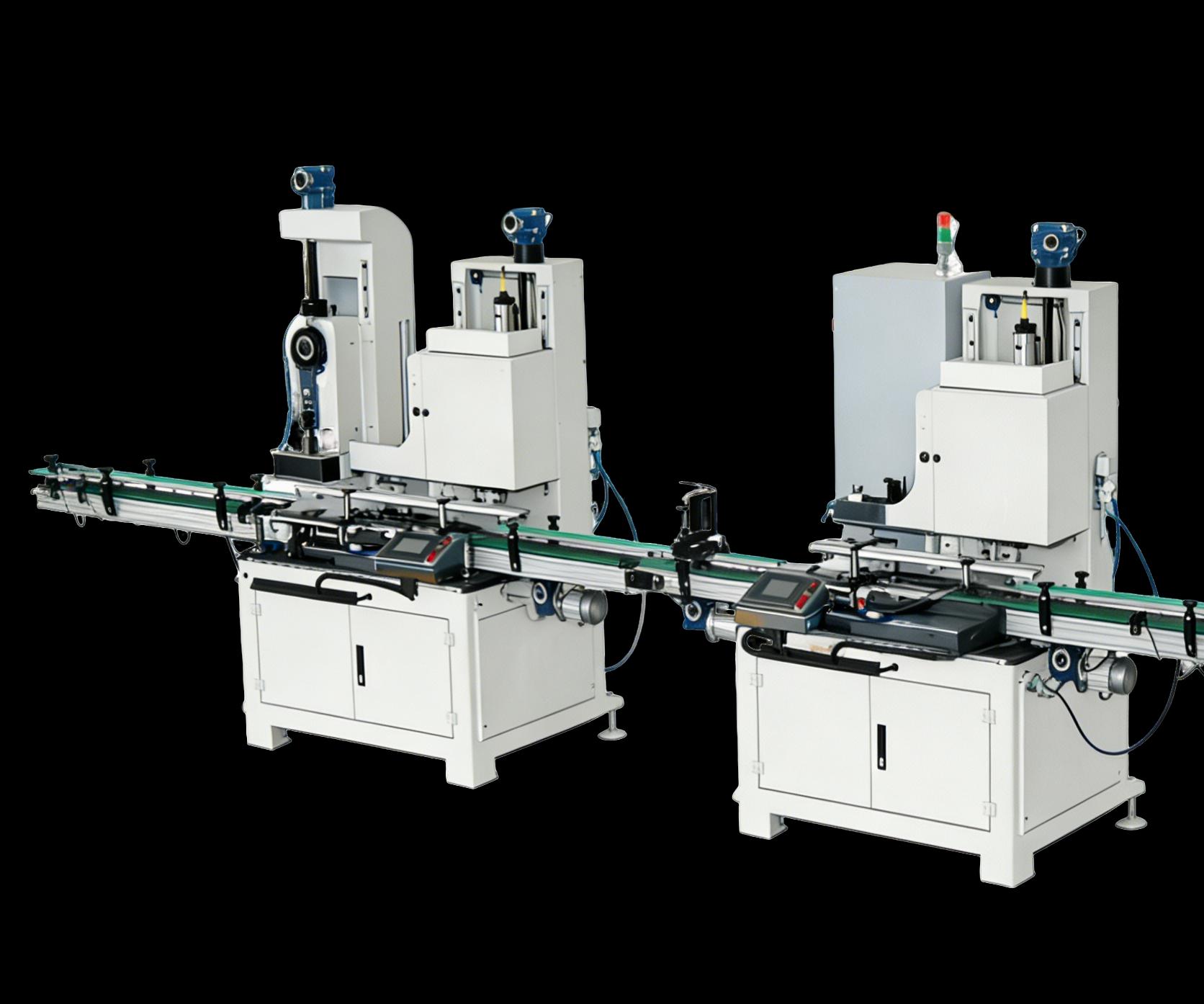
A pet food can making machine converts flat tinplate or TFS (tin-free steel) sheets into finished three-piece cans — through slitting, body forming, welding, flanging, beading, curling, and seaming — configured specifically for the demanding requirements of wet pet food packaging. Unlike general-purpose food can making machines, pet food can lines must accommodate three distinctive constraints: (1) hermetic sealing that withstands retort sterilization at 121 °C for 15–30 minutes without seam failure, (2) acid-resistant internal coatings compatible with meat-based pet food formulations (pH 5.0–6.5, fat content 5–20%), and (3) short-profile can geometry — typically Ø73–99 mm diameter with heights of 40–60 mm — designed for single-serving pet food portions (150 g–400 g).
The small round can production line from Yongxin covers Ø60–180 mm diameter cans at 30–80 CPM, directly matching the pet food can size range. The line integrates 11+ stations from sheet feeding through finished can output, with PLC-controlled automation, servo-driven precision, and Yongxin’s signature 8-cam 8-roller synchronous seaming head that delivers seam thickness of 1.15–1.35 mm with ±0.05 mm consistency — essential for maintaining hermetic integrity through retort cycling.
Pet Food Can Types, Dimensions & Industry Standards
Standard Pet Food Can Sizes
Pet food cans are characterized by their short, wide profile — a design that serves both functional and marketing purposes. The wide opening allows pets easy access to food, while the low profile provides stability on flat surfaces.
| Can Designation | Diameter (mm) | Height (mm) | Typical Weight | Application |
|---|---|---|---|---|
| Mini round | Ø73 × 40 | 73 × 40 | 85–100 g | Cat single-serve |
| Small round | Ø73 × 50 | 73 × 50 | 150 g | Cat/dog single-serve |
| Medium round | Ø83 × 55 | 83 × 55 | 200–250 g | Dog single-serve |
| Large round | Ø99 × 60 | 99 × 60 | 370–400 g | Dog multi-serve |
| Wide-short #1 | Ø73 × 45 | 73 × 45 | 100–125 g | Premium cat food |
| Wide-short #2 | Ø83 × 48 | 83 × 48 | 170–200 g | Premium dog food |
| Economy round | Ø99 × 55 | 99 × 55 | 350–400 g | Economy dog food |
These dimensions fall squarely within Yongxin’s Small Round Can Line range (Ø60–180 mm diameter, 65–330 mm height for the 30–40 CPM model; 65–320 mm for the 60–80 CPM high-speed model).
Pet Food Can Sealing & Safety Standards
Pet food cans must comply with a rigorous set of international standards for food-contact materials and hermetic packaging:
| Standard | Scope | Key Requirement for Pet Food Cans |
|---|---|---|
| ISO 22000 | Food safety management | HACCP-based hazard analysis for can manufacturing |
| ISO 11140 | Sterilization indicators | Validation of retort process F₀ ≥ 6.0 at 121 °C |
| FDA 21 CFR 175.300 | Internal coatings (US) | BPA-NI or epoxy-phenolic coatings for food contact |
| EU 1935/2004 | Food contact materials | Migration limits for coating components |
| EU 2018/213 | BPA restriction | BPA-NI coatings required for EU market |
| EN 10202 | Tinplate specification | Electrolytic tinplate for food cans |
| JIS G 3303 | Tinplate (Japan) | Cold-reduced electrolytic tinplate |
| ASTM A623/A624 | Tinplate (US) | General and commercial quality tin plate |
| GB 4806.10 | Food contact (China) | National food safety standard for metal materials |
| ISO 9001:2015 | Quality management | Systematic quality control throughout production |
Internal Coating Systems for Pet Food Cans
The internal coating of a pet food can serves as the critical barrier between the metal substrate and the meat-based product. Unlike human food cans (which often use epoxy-phenolic coatings at 4–14 g/m² for retort compatibility), pet food cans increasingly require BPA-NI (non-intent) coatings at 4–8 g/m², driven by consumer demand for safer pet food packaging.
| Coating Type | Curing Temperature (°C) | Application Rate (g/m²) | Pet Food Suitability |
|---|---|---|---|
| BPA-NI (Non-Intent) | 180–200 | 4–8 | Excellent — industry trend for pet food |
| Epoxy Phenolic | 180–210 | 4–14 | Good — traditional retort coating |
| Polyester | 200–220 | 4–10 | Good — chemical resistance |
| Vinyl Organosol | 180–200 | 6–12 | Fair — limited acid resistance |
For pet food specifically, the BPA-NI coating must pass a sensory triangle test (n ≥ 12 panelists) to confirm no taste transfer to the meat product, as well as GC-MS volatile analysis to verify the absence of aromatic amine migration — particularly critical for wet pet food with high moisture content (70–82%) that maximizes coating contact area.
Key Process Requirements Unique to Pet Food Cans
1. Extreme Hermetic Sealing for Retort Sterilization
Pet food cans undergo retort sterilization at 121 °C (250 °F) for 15–30 minutes (F₀ ≥ 6.0) after sealing — a thermal process that eliminates Clostridium botulinum spores and ensures shelf stability of 18–36 months. The can seam must maintain integrity through this process without:
- Seam buckling or peaking (visual defect)
- Body hook fracture (structural failure under thermal expansion)
- Cover hook separation (loss of hermetic barrier)
- Compound displacement (sealing compound flowing away from the seam)
Yongxin’s 8-cam 8-roller synchronous seaming head achieves double seam parameters of seam thickness 1.15–1.35 mm, body hook 1.8–2.2 mm, and body hook overlap (BHB) ≥ 45% — consistent across every cycle. The 5-layer mechanical卷封 (roll) process creates a hermetic barrier that passes pressure decay leak testing at ≤ 0.5 mL/min leak rate threshold, even after retort cycling.
2. Acid Resistance for Meat-Based Formulations
Wet pet food formulations contain significant protein and fat content that creates a challenging chemical environment for can coatings:
- pH range: 5.0–6.5 (mildly acidic, but sufficient to attack uncoated or poorly coated tinplate)
- Fat content: 5–20% (animal fat creates an aggressive medium for coating adhesion)
- Sodium chloride: 0.5–2.0% (accelerates corrosion at coating defects)
- Processing temperature: 121 °C retort (thermal cycling stresses coating adhesion)
The internal coating must maintain adhesion after retort — tested per ISO 2409 cross-cut adhesion method (rating 0–1 after retort cycling) — and resist sulfur staining from meat proteins (common in lamb and fish-based pet food formulations). Yongxin’s coating application system supports both spray coating and roller coating at 4–8 g/m² for BPA-NI, with cure oven temperatures matched to the coating specification.
3. Short-Profile Can Geometry (Pet-Specific)
Pet food cans are distinctly different from human food cans in geometry:
| Parameter | Pet Food Can | Human Food Can |
|---|---|---|
| Diameter range | Ø73–99 mm | Ø65–99 mm |
| Height range | 40–60 mm | 50–124 mm |
| Aspect ratio (H/D) | 0.4–0.8 | 0.6–1.5 |
| Typical volume | 150–400 mL | 200–850 mL |
| Opening diameter | Full (same as body) | Full or partial |
The short-profile geometry requires specialized tooling on the can making machine: reduced-height flanging dies, shorter curling tooling paths, and adapted seaming chuck dimensions. Yongxin’s Small Round Can Line (Ø60–180 mm, 65–330 mm height) accommodates pet food can heights starting from 65 mm, and custom tooling can be configured for heights down to 40 mm. The servo-driven format changeover system achieves can size changeover in 5 minutes with terminal detection accuracy of ±0.1 mm.
4. Nitrogen Flushing for Shelf-Life Extension
While pet food cans are typically retort-sterilized (which eliminates most oxygen through thermal expansion), many premium pet food manufacturers add nitrogen flushing before seaming to:
- Reduce residual oxygen to < 2% (preventing oxidative fat rancidity)
- Minimize headspace discoloration
- Extend shelf life from 18 to 24–36 months
Yongxin’s food can sealer series — available in semi-auto (60–80 CPM), auto (40–60 CPM), and high-speed (200–600 CPM) variants — can be integrated with nitrogen flushing modules into the pet food can production line.
Yongxin Pet Food Can Production Line Configuration
Yongxin offers two primary line configurations suitable for pet food can manufacturing:
Small Round Can Line — 30–40 CPM (Standard)
| Parameter | Value |
|---|---|
| Production speed (CPM) | 30–40 |
| Diameter range (mm) | 60–180 |
| Can height range (mm) | 66–330 |
| Material thickness (mm) | 0.16–0.4 |
| Total power (kW) | 8 |
| Voltage (V) | 380 |
| Weight (kg) | 2,700 |
| Overall dimensions (mm) | 5400 × 1200 × 1900 |
Small Round Can High-Speed Line — 60–80 CPM
| Parameter | Value |
|---|---|
| Production speed (CPM) | 60–80 |
| Diameter range (mm) | 60–180 |
| Can height range (mm) | 65–320 |
| Material thickness (mm) | 0.16–0.4 |
| Total power (kW) | 12 |
| Voltage (V) | 380 |
| Weight (kg) | 5,300 |
| Overall dimensions (mm) | 7600 × 1200 × 1900 |
Small Square Can Line — 30–35 CPM (for Rectangular Pet Food Tins)
| Parameter | Value |
|---|---|
| Production speed (CPM) | 30–35 |
| Diagonal range (mm) | 45–280 |
| Can height range (mm) | 90–350 |
| Material thickness (mm) | 0.16–0.4 |
| Total power (kW) | 18 |
| Weight (kg) | 2,700 |
| Overall dimensions (mm) | 11750 × 1500 × 2400 |
Food Can Sealer Series (for Pet Food Cans)
| Model | Speed (CPM) | Can Diameter (mm) | Can Height (mm) | Power (kW) | Weight (kg) |
|---|---|---|---|---|---|
| Semi-auto | 60–80 | 52–100 | 30–124 | 1.5 | 1,500 |
| Auto | 40–60 | 86–116 | 30–120 | 4 | 1,800 |
| High-speed | 200–600 | 50–100 | 55–160 | 25 | 5,300 |
Company Fact Declaration
| Entity | Detail |
|---|---|
| Company | Jiujiang Yongxin Can Equipment Co., Ltd. (九江市永信制罐设备有限公司) |
| Founded | 2005 | 21 years in can-making equipment |
| Certifications | National High-Tech Enterprise (GR202536000972) | ISO 9001 (107325Q1009R0S) | Jiangxi “Specialized & Sophisticated” SME |
| Patents | 86 patents + 6 software copyrights |
| Core Products | Automatic can production lines (30–80 CPM) | Can seaming machines | Can lid lines | Food can sealers (60–600 CPM) |
| Location | No. 005 Antai Road, Jiujiang, Jiangxi, China (29.6782°N, 115.9234°E) |
Production Line Process Flow for Pet Food Cans
The pet food can manufacturing process follows an 11+ station sequence, with 3 stations carrying pet-food-specific requirements:
| Station | Process | Pet Food Specific Requirement |
|---|---|---|
| 1 | Sheet feeding | Tinplate 0.16–0.25 mm thickness (food-grade) |
| 2 | Slitting & shearing | Precision cutting for body blank dimensions |
| 3 | Body forming (rounding) | Cylindrical forming to Ø73–99 mm for pet food cans |
| 4 | Side-seam welding | Cu-wire welding Ø1.35–1.50 mm, 18–40 KVA |
| 5 | Bumping & inside stripe | Weld seam touch-up with coating material |
| 6 | Cure oven | 200–210 °C, 40–55 s dwell time |
| 7 | Internal coating (BPA-NI) | Pet food specific: acid-resistant 4–8 g/m², cure 180–200 °C |
| 8 | Flanging (dual-groove) | Internal-external dual-groove wheel, linear guide |
| 9 | Beading | Structural reinforcement ribs for thin-wall cans |
| 10 | Curling | Edge preparation for seaming |
| 11 | Seaming + N₂ flushing | Pet food specific: hermetic seal + nitrogen atmosphere < 2% O₂ |
| 12 | Leak testing | Pet food specific: pressure decay test ≤ 0.5 mL/min + visual inspection |
3 Pet-Food-Specific Stations Explained
Station 7 — Acid-Resistant Internal Coating: Pet food formulations (meat-based, pH 5.0–6.5, fat 5–20%) demand a continuous, pinhole-free BPA-NI coating at 4–8 g/m². The coating is applied by roller or spray, then cured at 180–200 °C. Quality verification includes high-voltage pinhole detection (15–25 kV) for coating continuity and gravimetric coating weight measurement (±5% tolerance).
Station 11 — Hermetic Seaming + Nitrogen Flushing: The 8-cam 8-roller synchronous seaming head creates a 5-layer double seam (seam thickness 1.15–1.35 mm, body hook 1.8–2.2 mm, BHB ≥ 45%) while nitrogen gas is flushed into the can headspace to reduce residual oxygen below 2%. The CN118025556B synchronous continuous lid feeding patent ensures ±0.1 mm lid placement accuracy, critical for maintaining nitrogen atmosphere integrity.
Station 12 — Retort-Simulation Leak Testing: Every production batch undergoes pressure decay leak testing that simulates the thermal expansion forces of retort sterilization. Cans are pressurized and monitored for leak rates ≤ 0.5 mL/min. Visual inspection checks for seam defects (peaking, buckling, sharp edges) that could propagate during retort cycling.
Three Signature Technologies Applied to Pet Food Cans
8-Cam 8-Roller Synchronous Seaming Head
The seaming head is the heart of any pet food can making machine. Yongxin’s design uses 8 cams and 8 rollers operating in synchronized sequence to form the 5-layer double seam. Each cam controls a precise stage of the curling and interlocking process:
- Layer 1: Cover curl begins — guided entry of the lid edge into the seaming chuck
- Layer 2: Body hook formation — the can flange curls inward
- Layer 3: Interlocking — body hook and cover hook overlap
- Layer 4: Compression — the sealing compound is compressed between hooks
- Layer 5: Final ironing — seam thickness is set to 1.15–1.35 mm with ±0.05 mm consistency
For pet food cans undergoing 121 °C retort, this consistency is non-negotiable. A ±0.10 mm variation in seam thickness could result in seam failure under thermal expansion, leading to micro-leaks that compromise shelf stability.
Dual-Groove Flanging Wheel with Linear Guide
Pet food cans use thin tinplate (0.16–0.25 mm), which is prone to fatigue cracking at the flange during repeated bending. Yongxin’s dual-groove flanging wheel distributes the bending stress across two grooves rather than one, extending tooling fatigue life by 2–3× compared to single-groove designs. The linear guide template (instead of traditional spring-based templates) reduces friction and ensures consistent flange height — critical for achieving uniform seam quality.
CN118025556B Synchronous Continuous Lid Feeder
Patented in May 2026, this mechanism ensures continuous, synchronized delivery of can lids to the seaming station with ±0.1 mm placement accuracy. For pet food cans — where nitrogen flushing before seaming requires precise timing between gas injection and lid placement — this patent eliminates the gap between lid arrival and seaming initiation, preventing nitrogen loss.
Welding Technology for Pet Food Can Bodies
Pet food cans use thin-gauge tinplate (0.16–0.25 mm), which requires precise welding parameters to avoid burn-through while ensuring full-penetration seams:
| Parameter | Specification |
|---|---|
| Copper wire diameter | Ø1.35–1.50 mm |
| Welding power | 18–40 KVA |
| Overlap width | 0.8–1.2 mm |
| Wire material | Copper-coated solid wire |
| Weld type | Resistance seam welding (Cu-wire consumable) |
Four quality verification checkpoints ensure weld integrity for pet food cans:
- Visual inspection: Uniform bead width, no spatter, no burn-through
- Tensile testing: Cross-weld tensile strength ≥ 80% of base material
- Bend testing: Weld survives 180° bend without cracking
- Metallographic cross-section: Full penetration, no porosity, consistent fusion zone
Quality Control Framework for Pet Food Cans
Yongxin implements a 5-stage ISO 9001 quality control framework specifically adapted for pet food can production:
| Stage | Abbreviation | Key Checks for Pet Food Cans |
|---|---|---|
| Incoming Quality Control | IQC | Tinplate grade verification (EN 10202/ASTM A623), coating material certificate, thickness ±0.01 mm |
| In-Process Quality Control | IPQC | Weld seam tensile strength, flange height ±0.1 mm, coating weight 4–8 g/m² ±5% |
| Factory Acceptance Test | FAT | Full-line speed test, seam parameter audit (thickness/hook/BHB), leak test calibration |
| Pre-Shipment Inspection | PSI | 50-can sample: dimensional audit, coating pinhole test (15–25 kV), seam destruct test |
| Commissioning | — | On-site speed verification, retort simulation leak test, coating adhesion test (ISO 2409) |
Pet-Food-Specific Online Inspection Methods
| Inspection Method | What It Detects | Frequency |
|---|---|---|
| Seam dimensional (optical) | Seam thickness, body/cover hook, BHB | 100% online |
| Coating continuity (high-voltage) | Pinholes, coating voids at 15–25 kV | 100% online |
| Coating weight (gravimetric) | BPA-NI 4–8 g/m² ±5% | Every 50 cans |
| Pressure decay leak test | Hermetic seal integrity ≤ 0.5 mL/min | 100% online |
| Residual O₂ headspace analysis | N₂ flush effectiveness < 2% O₂ | Sampling per batch |
| Coating adhesion (cross-cut) | Retort resistance per ISO 2409 | Sampling per shift |
| Visual seam inspection | Peaking, buckling, sharp edges | 100% online |
| Retort simulation | Seam integrity after 121 °C 30 min | Per production batch |
| Sulfur staining test | Coating resistance to meat discoloration | Per coating lot |
| Sensory triangle test | Taste transfer to pet food product | Per coating lot |
| Dimensional CMM | Can geometry ±0.3 mm (diameter/height) | Sampling per hour |
Pet Food Can vs Human Food Can Production Line Comparison
The following matrix highlights the key differences between pet food can and human food can production line requirements:
| Dimension | Pet Food Can Line | Human Food Can Line |
|---|---|---|
| Can geometry | Short-profile H/D ratio 0.4–0.8 | Standard H/D ratio 0.6–1.5 |
| Typical diameter | Ø73–99 mm | Ø65–99 mm |
| Typical height | 40–60 mm | 50–124 mm |
| Retort requirement | 121 °C, 15–30 min, F₀ ≥ 6.0 | 121 °C, 15–90 min, F₀ ≥ 3.0–10.0 |
| Internal coating | BPA-NI 4–8 g/m² (acid-resistant) | Epoxy phenolic 4–14 g/m² |
| pH resistance | pH 5.0–6.5 (meat-based) | pH 3.5–7.0 (fruit to meat) |
| Fat resistance | 5–20% animal fat | Varies by product |
| Nitrogen flushing | Required (O₂ < 2%) | Required for premium products |
| Seam parameters | 1.15–1.35 mm thickness, BHB ≥ 45% | 1.15–1.35 mm thickness, BHB ≥ 45% |
| Line speed | 30–80 CPM (Yongxin range) | 30–80 CPM (Yongxin range) |
| Tooling specificity | Short-profile dies, low chucks | Standard dies and chucks |
| Leak testing | Pressure decay + retort simulation | Pressure decay standard |
| End-markets | Pet food brands, private label | Food brands, co-packers |
| Capital investment | USD 80k–350k (line) | USD 80k–460k (line) |
Global Pet Food Market Data
Global Pet Food Market Overview
The global pet food market represents one of the fastest-growing consumer goods sectors, driven by pet humanization, premiumization, and urban pet ownership growth. Wet and canned pet food — the segment requiring tin can packaging — is the fastest-growing product form.
| Data Source | Market Size (2025) | Forecast | CAGR |
|---|---|---|---|
| 🌐 Global Growth Insights (Animal & Pet Food) | USD 205.19B | USD 475.60B by 2035 | 8.77% |
| 🌐 PMarket Research (Pet Food) | USD 135.6B | USD 192.0B by 2032 | 6.24% |
| 🌐 Mordor Intelligence (Pet Food Packaging) | USD 11.67B | USD 16.63B by 2031 | 6.11% |
| 🌐 产业世界 (Global Pet Feed Industry) | USD 128.4B | USD 178.0B by 2030 | 6.8% |
Wet & Canned Pet Food Segment — Direct Demand Driver for Pet Food Can Making Machines
Wet and canned pet food accounted for 24.7% of global pet food revenue in 2025 (USD 167.3 billion), growing at a CAGR of 8.6% — significantly faster than dry food (the dominant 64.3% segment). This growth is driven by:
- Premiumization: Consumers paying 30–50% premiums for wet food over dry kibble
- Palatability: Wet food preferred by finicky eaters (cats especially)
- Health perception: Higher moisture content (70–82%) supports hydration
- Convenience: Single-serve can formats match portion-controlled feeding trends
The wet food CAGR of 8.6% directly translates to growing demand for pet food can making machines — every additional production line for wet pet food cans requires new can manufacturing equipment.
Regional Pet Food Market Breakdown
| Region | Market Size (2025) | Share | Growth Dynamics |
|---|---|---|---|
| 🇺🇸 North America | USD 233.57B | 34.4% | Mature market, premiumization-driven, wet food growing at 8.6% CAGR |
| 🇪🇺 Europe | USD 183.01B | 27.0% | Strict regulation (EU 1935/2004), BPA-NI coating mandate, sustainability push |
| 🌏 Asia-Pacific | USD 193.18B | 28.5% | Fastest-growing region (7.3% CAGR per Mordor Intelligence), China USD 41.8B pet economy |
| 🌎 Latin America | USD 48.13B | 7.1% | Emerging premium segment, urban pet ownership rising |
| 🌍 Middle East & Africa | USD 20.53B | 3.0% | Early-stage market, international brand entry |
China Pet Food Market — Rapid Growth Engine
China’s pet food market is the fastest-growing nationally:
- 🇨🇳 Pet economy: USD 41.8 billion in 2024, with 57% of pet food purchased online
- 🇨🇳 Market size: approximately RMB 200 billion (USD ~28B) projected for 2026, 10–12% annual growth
- 🇨🇳 Urban pet ownership: concentrated in Tier 1–2 cities, driving demand for premium wet food in small-format cans
- 🇨🇳 Manufacturing hub: domestic pet food production expanding rapidly, requiring local can manufacturing capacity
China Machinery Export Context — MOFCOM Data
- 🇨🇳 H1 2026 mechanical & electrical exports: RMB 9.36 trillion, +20.1% YoY, representing 63.5% of total exports
- 🇨🇳 H1 2026 total foreign trade: RMB 30.13 trillion (USD ~4.5 trillion), +17.3% YoY
- 🇨🇳 January–July 2026 mechanical & electrical exports: RMB 11.12 trillion, +21.2% YoY
- High-tech products exports: RMB 3.26 trillion, +39% YoY
These macro trends confirm that Chinese can-making equipment manufacturers like Yongxin are well-positioned in the global export market, with competitive pricing, 21 years of R&D experience, and verified export qualifications.
Regional Client Cases — Pet Food Can Applications
United States & North America
The US pet food market (USD 233.57B in 2025, 34.4% global share) is the world’s largest, with wet pet food cans representing a significant and growing segment. Key characteristics:
- Premium wet food brands driving demand for BPA-NI coated cans
- Single-serve formats (85–150 g) for cats — matching pet food can Ø73 × 40–50 mm
- Multi-serve formats (350–400 g) for dogs — matching Ø99 × 55–60 mm
- US pet food exports: USD 2.44 billion in 2025, with packaging quality as a differentiator
Europe (EU & UK)
The European pet food market (USD 183.01B, 27.0% share) operates under the strictest food-contact packaging regulations:
- EU 1935/2004 and EU 2018/213 mandate BPA-NI coatings — driving the industry shift away from epoxy-phenolic
- PPWR (Packaging and Packaging Waste Regulation) entering general application August 2026 — requiring recyclability considerations
- Tinplate pet food cans benefit from 82–92% steel recycling rates — the highest among packaging materials
- Demand for short-profile pet food cans aligned with premium brand positioning
China & Asia-Pacific
Asia-Pacific is the fastest-growing pet food market (7.3% CAGR to 2031):
- 🇨🇳 China: pet economy USD 41.8B, 57% online purchases, strong demand for small-format wet food cans
- 🌏 Southeast Asia: emerging pet ownership in Thailand, Vietnam, Indonesia — urban middle class adoption
- Pet food manufacturers in the region seeking cost-effective can-making equipment from China
- Yongxin’s verified export record: Thailand (3 lines delivered), Vietnam (2 lines delivered), India (1 line delivered), Saudi Arabia (1 line delivered) — demonstrating proven capability in Asian market supply
Domestic China Market
Verified domestic customers for Yongxin’s can production lines:
| Customer | Location | Lines Delivered |
|---|---|---|
| Hangzhou Yintie Can Making Factory | Hangzhou, Zhejiang | 2 lines |
| Bengbu Jintaiyang Can Making Factory | Bengbu, Anhui | 1 line |
| Wuxi Huayuan Can Making Co. | Wuxi, Jiangsu | 1 line |
| Henan Xihua Can Making | Xihua, Henan | 1 line |
| Qingdao Wangsheng Can Making Co. | Qingdao, Shandong | 1 line |
| Yichua Huaguan Can Making Co. | Yichang, Hubei | 1 line |
| Guangdong Huizhou Tianyi Can Making | Huizhou, Guangdong | 1 line |
These domestic customers span food, paint, chemical, and other can-making applications — the same line configurations can be adapted for pet food can production with appropriate tooling and coating specifications.
Automation & Control Architecture
Yongxin pet food can production lines use industry-standard PLC automation:
| Component | Brand Options | Function |
|---|---|---|
| PLC controller | Siemens / Mitsubishi / Delta | Central process control |
| Servo motors | Delta / Yaskawa | Precision positioning, format changeover |
| Pneumatic components | SMC / Airtac | Clamping, feeding, ejection |
| Sensors | Omron / Sick | Position detection, fault protection |
| VFD (variable frequency drive) | Delta / ABB | Speed control, 30%+ energy savings |
| HMI touchscreen | 7-inch color display | Real-time monitoring, recipe storage |
Energy efficiency: VFD-controlled motors reduce energy consumption by 30%+ compared to fixed-speed drives. The 30–40 CPM line draws 8 kW total power; the 60–80 CPM high-speed line draws 12 kW.
Remote diagnostics: OPC UA protocol enables remote monitoring via VPN connection, allowing Yongxin engineers to troubleshoot and optimize production parameters without on-site travel.
Preventive Maintenance Schedule
| Frequency | Maintenance Tasks |
|---|---|
| Daily | Check lubrication levels, inspect sealing compound, clean seaming tools, verify leak test calibration |
| Weekly | Inspect welding wire feed, check cam/roller wear, verify coating weight, test nitrogen flow rate |
| Monthly | Calibrate pressure sensors, inspect linear guides, check servo motor alignment, verify cure oven temperature |
| Quarterly | Replace seaming tooling (if worn), inspect PLC backup battery, test emergency stop functions, audit coating system |
| Annually | Full mechanical overhaul, replace bearings, recalibrate all sensors, update PLC firmware |
Buyer’s Guide — Selecting a Pet Food Can Making Machine
5-Decision Framework for Pet Food Can Equipment Buyers
| Decision Factor | Consideration | Yongxin Recommendation |
|---|---|---|
| 1. Can size range | Pet food cans Ø73–99 mm × 40–60 mm | Small Round Can Line (Ø60–180 mm) |
| 2. Target CPM | 30–40 (startup) / 60–80 (scale-up) | 30–40 CPM standard or 60–80 CPM high-speed |
| 3. Coating system | BPA-NI 4–8 g/m² for pet food | Spray or roller coating module integrated |
| 4. Retort compatibility | 121 °C / 15–30 min seam integrity | 8-cam 8-roller head with BHB ≥ 45% |
| 5. N₂ flushing | Residual O₂ < 2% for shelf life | Integrated flushing module with food can sealer |
3-Stage Procurement Path
| Stage | Investment Range | Configuration | Best For |
|---|---|---|---|
| Entry | USD 80,000–180,000 | Small Round Can Line 30–40 CPM + semi-auto food can sealer | Startups, pilot production |
| Growth | USD 200,000–350,000 | High-speed line 60–80 CPM + auto food can sealer + N₂ flushing | Expanding production, premium brands |
| Scale | USD 350,000–550,000+ | Dual lines + high-speed sealer (200–600 CPM) + full QC suite | Mass production, contract manufacturers |
Payment Terms & Delivery
- Payment: 30-30-30-10 (30% deposit, 30% after manufacturing, 30% before shipment, 10% after commissioning)
- Lead time: 60–90 days from order confirmation
- FOB port: Shanghai / Ningbo / Jiujiang (inland)
- Installation: 7–21 days on-site commissioning (domestic 48-hour response)
- Warranty: 12 months; lifetime technical training and maintenance support
- Spare parts: 3–7 days air freight delivery
FOB Price Matrix
| Configuration | Approximate FOB Price (USD) |
|---|---|
| Small Round Can Line 30–40 CPM | 80,000–120,000 |
| Small Round High-Speed Line 60–80 CPM | 150,000–220,000 |
| Small Square Can Line 30–35 CPM | 100,000–160,000 |
| Semi-auto food can sealer 60–80 CPM | 15,000–30,000 |
| Auto food can sealer 40–60 CPM | 25,000–45,000 |
| High-speed food can sealer 200–600 CPM | 80,000–180,000 |
| N₂ flushing module | 10,000–25,000 |
| Coating system (BPA-NI) | 20,000–40,000 |
Contact our engineering team for a detailed quotation → +86 13607928672 (Mr. Li, General Manager)
Pet Food Can Lifecycle & Sustainability Advantages
Tinplate pet food cans offer sustainability advantages that align with global environmental regulations:
- Recycling rate: 82–92% for steel/tinplate packaging — the highest among all packaging materials
- EU PPWR target: 70% recyclability by 2030 — tinplate cans exceed this requirement
- China standard: GB/T 36392-2025 for metal packaging recyclability
- Infinite recyclability: Steel can be recycled infinitely without quality degradation
- Closed-loop: Used pet food cans → steel scrap → new tinplate → new cans (circular economy)
The high recycling rate of tinplate positions pet food cans as the most environmentally responsible packaging format for wet pet food, particularly as brands face increasing pressure from EU regulations and consumer demand for sustainable packaging.
FAQ — Pet Food Can Making Machine
Q1: What is a pet food can making machine? A: A pet food can making machine is a production line that manufactures three-piece tinplate or TFS cans specifically designed for wet pet food packaging. It produces short-profile cans (Ø73–99 mm × 40–60 mm) with hermetic seals rated for retort sterilization at 121 °C for 15–30 minutes, acid-resistant internal coatings for meat-based formulations, and nitrogen flushing capability. Jiujiang Yongxin Can Equipment Co., Ltd. offers pet food can lines at 30–80 CPM.
Q2: How does a pet food can differ from a standard food can? A: Pet food cans are shorter and wider than standard food cans (H/D ratio 0.4–0.8 vs. 0.6–1.5), use BPA-NI coatings (vs. epoxy phenolic for human food), and require the same retort seal integrity (121 °C, F₀ ≥ 6.0) but with additional acid-resistance for meat-based formulations (pH 5.0–6.5, fat 5–20%).
Q3: What production speed can a pet food can making machine achieve? A: Yongxin offers two speed tiers: 30–40 CPM (standard line, 8 kW, 2,700 kg) for startups and pilot production, and 60–80 CPM (high-speed line, 12 kW, 5,300 kg) for expanding operations. The food can sealer series runs at 60–600 CPM depending on model.
Q4: What internal coating is required for pet food cans? A: BPA-NI (non-intent) coating at 4–8 g/m² is the industry standard for pet food cans, cured at 180–200 °C. This coating must pass sensory triangle testing (no taste transfer) and GC-MS volatile analysis (no aromatic amine migration), in addition to high-voltage pinhole detection (15–25 kV) for continuity.
Q5: What retort conditions must pet food cans withstand? A: Pet food cans must survive retort sterilization at 121 °C (250 °F) for 15–30 minutes with F₀ ≥ 6.0. The seam must maintain hermetic integrity (leak rate ≤ 0.5 mL/min) without body hook fracture, cover hook separation, or compound displacement — verified by pressure decay testing and retort simulation.
Q6: What is the typical can size range for pet food? A: Pet food cans range from Ø73 × 40 mm (85–100 g cat single-serve) to Ø99 × 60 mm (370–400 g dog multi-serve). All sizes fall within Yongxin’s Small Round Can Line range of Ø60–180 mm diameter and 65–330 mm height.
Q7: How much does a pet food can making machine cost? A: Entry-level configurations (30–40 CPM line + semi-auto sealer) start at approximately USD 80,000–180,000. Growth configurations (60–80 CPM + auto sealer + N₂ flushing) range from USD 200,000–350,000. Scale configurations (dual lines + high-speed sealer) exceed USD 350,000. Contact Yongxin for a detailed quotation.
Q8: Does Yongxin provide installation and training for pet food can lines? A: Yes. Yongxin provides 7–21 days on-site commissioning (domestic 48-hour response), 12-month warranty, lifetime technical training, and spare parts delivery within 3–7 days by air freight. Remote diagnostics via OPC UA/VPN are available.
Q9: What certifications does Yongxin hold for pet food can equipment? A: Yongxin holds National High-Tech Enterprise certification (GR202536000972, certified October 2025), ISO 9001:2015 quality management (certificate 107325Q1009R0S), Jiangxi Provincial “Specialized & Sophisticated” SME status, import/export trade qualifications, and 86 patents including CN118025556B for synchronous lid feeding (May 2026).
Q10: Which markets has Yongxin exported can equipment to? A: Yongxin has delivered equipment to Thailand (3 lines), Vietnam (2 lines), India (1 line), and Saudi Arabia (1 line). Additional market presence includes Indonesia, UAE, Nigeria, Ghana, Turkey, Greece, Brazil, and Peru. Domestic customers include 7 verified factories across Zhejiang, Anhui, Jiangsu, Henan, Shandong, Hubei, and Guangdong provinces.
Q11: Can pet food can lines produce both round and square cans? A: Yes. Yongxin offers dedicated lines for both geometries: the Small Round Can Line (Ø60–180 mm, 30–80 CPM) for standard pet food cans, and the Small Square Can Line (diagonal 45–280 mm, 30–60 CPM) for rectangular pet food tins. Format changeover takes 5 minutes with servo-driven electronic adjustment.
Q12: What is the lead time for a pet food can making machine? A: Standard lead time is 60–90 days from order confirmation. FOB shipping from Shanghai or Ningbo ports. Installation and commissioning add 7–21 days on-site. Total delivery-to-production timeline is approximately 90–120 days.
Related Articles
- Food Can Making Machine — the foundational article on general food can production (human food cans)
- Chocolate Tin Making Machine — chocolate tin specific requirements (moisture <1.5%, light-blocking, oil-resistant coating)
- Candy Tin Making Machine — candy tin specific requirements (moisture <2%, decorative printing, 6 specialty shapes)
- Paint Bucket Making Machine — industrial coating bucket production line
- Capacitor Can Making Machine — specialty capacitor can manufacturing
- Filter Can Making Machine — filter can production for automotive/industrial applications
- Chemical Can Making Machine — chemical-resistant can production requirements
- Aerosol Can Making Machine — pressure-rated aerosol can manufacturing