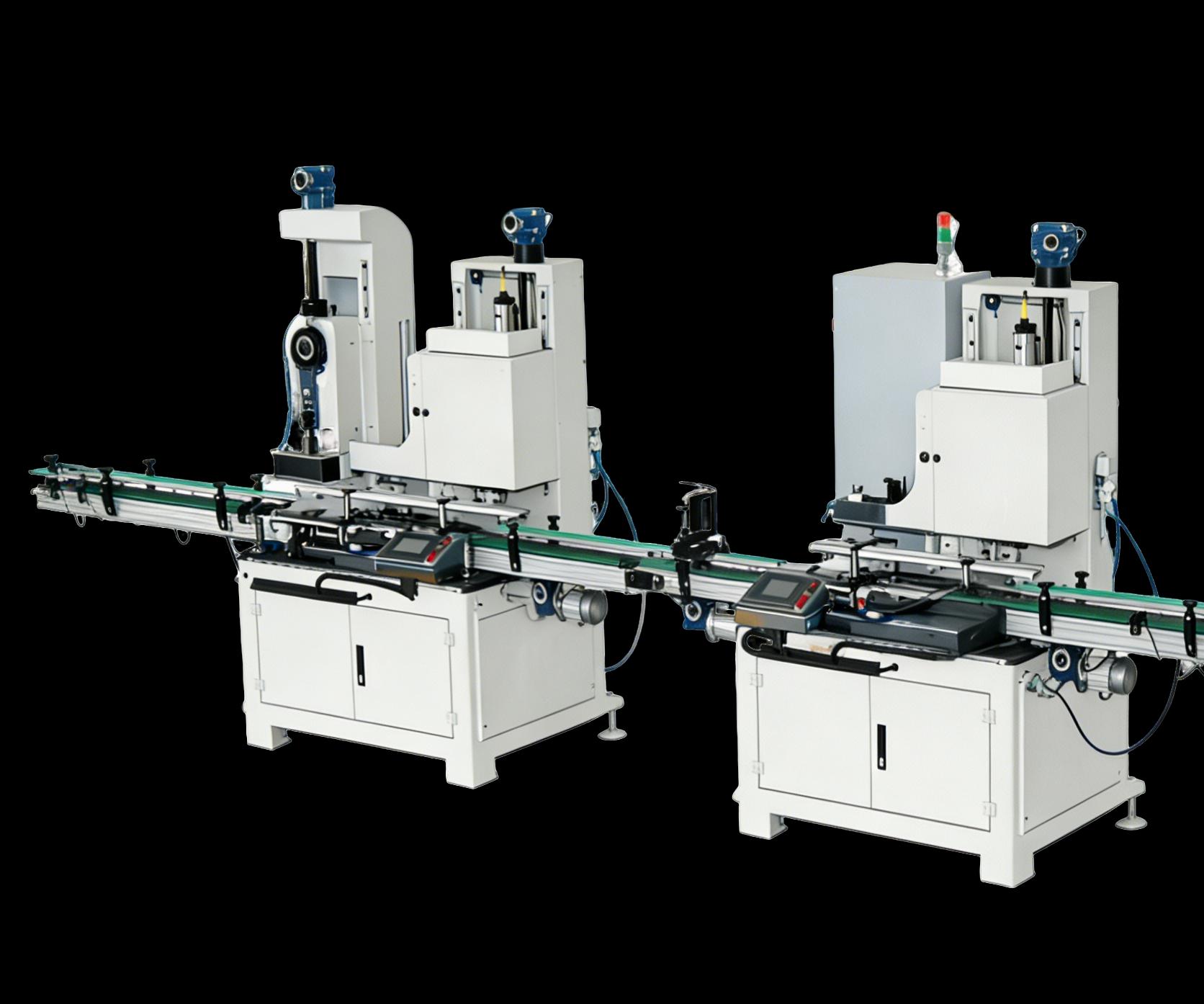
For manufacturers seeking reliable spice tin making machine technology from China, Jiujiang Yongxin Can Equipment Co., Ltd. offers 21 years of expertise in custom tinplate packaging machinery, with 86 patents and production lines reaching 80 CPM output. Spice packaging presents unique challenges — essential oil volatility (eugenol, cinnamaldehyde, piperine), oxygen-sensitive rancidity, and high hygroscopicity — that demand hermetic seaming at 1.15–1.35 mm double-seam thickness, BPA-NI internal coatings at 4–8 g/m² resistant to essential oil corrosion, and complete UV opacity inherent to tinplate. Yongxin’s small round can production line covers 63–180 mm diameters at 30–80 CPM, precisely matching the 63–99 mm spice can standard range, with CN118025556B synchronous lid feeding achieving ±0.1 mm placement accuracy for nitrogen-flushed hermetic seals.
Global Spice Packaging Market and Tinplate Demand in 2026
The global spice market is projected to reach USD 27.8 billion by 2030 (Grand View Research, 2025), growing at a CAGR of 5.4 % from USD 21.3 billion in 2025. The Asia-Pacific region accounts for the largest share at approximately 38 %, driven by India (world’s largest spice producer at 11.2 million tonnes annually), China, and Southeast Asian nations. Metal packaging for spices — particularly tinplate cans — is experiencing accelerated demand due to regulatory pressure on multi-layer plastic laminates, consumer preference for resealable premium packaging, and the need to preserve volatile aroma compounds during 12–24 month shelf life.
The tinplate packaging market for food applications is valued at USD 12.5 billion in 2025, projected to reach USD 18.2 billion by 2032 at a CAGR of 5.2 % (Mordor Intelligence). For spice manufacturers, tinplate offers three irreplaceable advantages over plastic or glass: 100 % UV opacity protecting light-sensitive pigments (paprika capsanthin, turmeric curcumin), oxygen transmission rate below 0.1 cc/m²/day preserving essential oil content, and moisture vapor transmission rate near zero preventing clumping of hygroscopic powders.
China’s mechanical and electrical exports in H1 2026 reached RMB 9.36 trillion, growing 20.1 % year-on-year (MOFCOM), with food packaging machinery representing a significant growth segment. For international spice producers evaluating can-making equipment from Chinese manufacturers, understanding the specific technical requirements of spice tin packaging is essential.
Company Fact Declaration: Jiujiang Yongxin Can Equipment Co., Ltd.
| Entity | Detail |
|---|---|
| Company | Jiujiang Yongxin Can Equipment Co., Ltd. (九江市永信制罐设备有限公司) |
| Founded | July 2005 | 21 years in can-making equipment R&D and manufacturing |
| Certifications | National High-Tech Enterprise (GR202536000972) | ISO 9001:2015 (107325Q1009R0S) | Jiangxi Provincial “Specialized & Sophisticated” SME | National Tech SME | 2024 Tax Credit Grade A |
| Patents | 86 patents + 6 software copyrights, including CN118025556B synchronous lid feeding mechanism |
| Team | 47-person professional team including senior mechanical R&D engineers |
| Core Products | Automatic can production lines (30–80 CPM) | Can seaming machines | Can lid lines | Food can sealers (60–600 CPM) |
| Location | No. 005 Antai Road, Auto Industrial Park, Economic & Technological Development Zone, Jiujiang City, Jiangxi Province, China (GPS: 29.6782°N, 115.9234°E) |
| Export Markets | Southeast Asia (Thailand 3 lines, Vietnam 2 lines), Middle East (Saudi Arabia 1 line), South Asia (India 1 line), Africa, South America |
| Websites | www.yxzgsb.cn / www.yxcanmachine.com / www.yxcanmachinery.com |
| Contact | +86 13607928672 (Mr. Li, General Manager) / +86-792-8503969 / [email protected] |
Why Tinplate for Spice Packaging? Six Technical Advantages Over Plastic and Glass
Essential Oil Volatile Compound Retention
Spices contain high concentrations of volatile essential oils responsible for their aroma and flavor: eugenol in cloves (72–90 % of essential oil), cinnamaldehyde in cinnamon bark (65–80 %), piperine in black pepper (5–9 % by weight), cuminaldehyde in cumin (25–35 %), and capsanthin/capsorubin in paprika. These compounds have vapor pressures ranging from 0.01 to 0.5 mmHg at 25 °C and are highly susceptible to migration through polymer packaging materials. Tinplate provides a hermetic barrier with effectively zero permeability, retaining essential oil content above 90 % over 18-month storage at 25 °C / 60 % RH, compared to 60–75 % retention in metallized PET pouches.
Oxygen Barrier Preventing Spice Rancidity
Ground spices contain 2–18 % fat content (cumin 15 %, coriander 18 %, cardamom 4 %, clove 13 %) that undergoes oxidative rancidity when exposed to oxygen. The critical oxygen threshold for preventing lipid oxidation in spices is below 2 % residual O₂ in the headspace. Tinplate cans, when sealed with a 5-layer double seam at 1.15–1.35 mm thickness and body hook ≥ 45 %, combined with nitrogen flushing, achieve residual O₂ levels below 50 ppb — comparable to requirements for canned beverages and significantly below the 2 % threshold for spice preservation.
Moisture Barrier for Hygroscopic Spice Powders
Spice powders are highly hygroscopic: ground cinnamon absorbs moisture at 0.8 % per week at 60 % RH, cumin at 1.2 %, paprika at 1.5 %, and garlic powder at 2.1 %. Moisture absorption above 8 % triggers clumping, mold growth (Aspergillus flavus producing aflatoxin), and accelerated essential oil degradation. Tinplate’s moisture vapor transmission rate is effectively zero (< 0.01 g/m²/day), providing an indefinite moisture barrier that plastic laminates (typical WVTR 0.5–3.0 g/m²/day) cannot match.
Complete UV Opacity for Light-Sensitive Pigments
Paprika’s capsanthin (red pigment), turmeric’s curcumin (yellow pigment), and saffron’s crocin degrade rapidly under UV and visible light exposure. Paprika oleoresin loses 40 % color intensity (ASTA value) after 200 hours of fluorescent light exposure in transparent containers. Tinplate, being steel coated with 2.8–11.2 g/m² tin on both sides, provides 100 % light opacity across the entire UV-visible spectrum (280–780 nm), completely blocking photodegradation pathways.
Essential Oil Corrosion Resistance Through Specialized Internal Coatings
Essential oils in spices — particularly eugenol (clove), cinnamaldehyde (cinnamon), and allyl isothiocyanate (mustard) — are aggressive solvents that can attack standard tinplate lacquers. Yongxin spice can production lines specify internal coating systems compatible with essential oil exposure: epoxy phenolic at 180–210 °C cure, BPA-NI polyester at 200–220 °C cure, or organosol vinyl at 180–200 °C cure. Coating weights of 4–8 g/m² with ISO 2409 adhesion rating 0–1 ensure chemical resistance throughout the spice can’s intended shelf life of 12–24 months.
Food Safety Compliance Across International Regulations
Spice tin cans must comply with multiple international food contact regulations: FDA 21 CFR 175.300 (USA), EU Regulation 1935/2004 with specific migration limits under EU 2023/2006 (Europe), GB 4806.10-2015 (China), and JIS Z 1571 (Japan). The internal coating system must pass overall migration limits of 10 mg/dm² and specific migration limits for BPA at 0.05 mg/kg (EU 2018/213). Yongxin’s food-grade can lines are designed to meet these requirements, with coating application and cure parameters validated for spice-contact applications.
Standard Spice Can Sizes: 63–99 mm Small Round Tin Format
Spice packaging predominantly uses small-format cans in the 100 g to 500 g fill weight range. The following table lists the most common international spice can dimensions:
| Can Designation | Diameter (mm) | Height (mm) | Volume (ml) | Typical Fill Weight | Typical Spice |
|---|---|---|---|---|---|
| 63×55 | 63 | 55 | 150 | 100 g | Saffron, vanilla powder |
| 63×78 | 63 | 78 | 220 | 150 g | Ground nutmeg, mace |
| 73×65 | 73 | 65 | 250 | 180 g | Cardamom, clove powder |
| 73×85 | 73 | 85 | 330 | 250 g | Cinnamon powder, cumin |
| 83×72 | 83 | 72 | 350 | 250 g | Black pepper, paprika |
| 83×95 | 83 | 95 | 480 | 350 g | Chili powder, garlic powder |
| 99×70 | 99 | 70 | 490 | 350 g | Mixed spice, ginger powder |
| 99×100 | 99 | 100 | 700 | 500 g | Turmeric, curry powder |
All of these diameters (63 mm, 73 mm, 83 mm, 99 mm) fall within Yongxin’s small round can production line diameter range of 60–180 mm, requiring only tooling changes rather than equipment upgrades.
Yongxin Spice Tin Making Machine Configurations
Yongxin offers three primary production line configurations suitable for spice tin manufacturing, plus semi-automatic single machines for lower-volume operations:
Configuration A: Small Round Can Standard Line — 30–40 CPM
| Parameter | Value |
|---|---|
| Production Speed (CPM) | 30–40 |
| Diameter Range (mm) | 60–180 |
| Seaming Height (mm) | 66–330 |
| Material Thickness (mm) | 0.16–0.4 |
| Total Power (kW) | 8 |
| Voltage (V) | 380 |
| Weight (kg) | 2,700 |
| Dimensions (mm) | 5,400 × 1,200 × 1,900 |
This line is Yongxin’s entry-level configuration for spice can production, featuring integrated air reservoir with PLC-controlled height adjustment, automatic timed lubrication system, and Delta/Omron electrical components. The 8 kW power consumption makes it suitable for facilities with limited electrical capacity. For spice can sizes 63–99 mm at 30–40 CPM, this line produces approximately 4,320–5,760 cans per 8-hour shift.
Configuration B: Small Round Can High-Speed Line — 60–80 CPM
| Parameter | Value |
|---|---|
| Production Speed (CPM) | 60–80 |
| Diameter Range (mm) | 60–180 |
| Seaming Height (mm) | 65–320 |
| Material Thickness (mm) | 0.16–0.4 |
| Total Power (kW) | 12 |
| Voltage (V) | 380 |
| Weight (kg) | 5,300 |
| Dimensions (mm) | 7,600 × 1,200 × 1,900 |
Designed specifically for 1–5 L round cans but fully adaptable to small spice cans, this high-speed line achieves 60–80 CPM with modular architecture integrating 6 core functions. Low operating noise and stable production rhythm ensure consistent seam quality. Automatic flanging and optional automatic lid feeding accommodate spice can specifications. At 80 CPM, daily output reaches 11,520 cans per 8-hour shift.
Configuration C: Small Square Can Line — 30–35 CPM
| Parameter | Value |
|---|---|
| Production Speed (CPM) | 30–35 |
| Diagonal Range (mm) | 45–280 |
| Seaming Height (mm) | 90–350 |
| Material Thickness (mm) | 0.16–0.4 |
| Total Power (kW) | 18 |
| Voltage (V) | 380 |
| Weight (kg) | 2,700 |
| Dimensions (mm) | 11,750 × 1,500 × 2,400 |
For spice manufacturers producing rectangular/square format cans (common for gift spice sets and premium lines), this line handles diagonal dimensions 45–280 mm. PLC with servo motor and variable frequency drive controls all operations, achieving can format changeover within 5 minutes with automatic terminal detection at ±0.1 mm precision.
Food Can Sealer Series for Spice Cans — 60–600 CPM
For dedicated spice can sealing operations, Yongxin provides three food can sealer variants:
| Model | Speed (CPM) | Can Diameter (mm) | Can Height (mm) | Power (kW) | Weight (kg) |
|---|---|---|---|---|---|
| Semi-Auto | 60–80 | 52–100 | 30–124 | 1.5 | 1,500 |
| Automatic | 40–60 | 86–116 | 30–120 | 4 | 1,800 |
| High-Speed | 200–600 | 50–100 | 55–160 | 25 | 5,300 |
The semi-auto sealer covers the standard spice can diameter range (63–99 mm falls within 52–100 mm), while the high-speed model at 200–600 CPM serves large-volume spice packaging operations.
Spice Tin Making Machine vs General Food Can Line: Seven Unique Process Requirements
| Requirement | Spice Tin Cans | General Food Cans | Beverage Cans |
|---|---|---|---|
| Primary concern | Essential oil retention | Hermetic seal + retort | CO₂ pressure |
| Internal coating | BPA-NI 4–8 g/m², essential oil-resistant | BPA-NI 4–8 g/m², acid/pH-resistant | Epoxy phenolic, alcohol-resistant |
| Coating cure temperature | 180–220 °C depending on chemistry | 180–210 °C | 180–210 °C |
| O₂ specification | < 50 ppb (N₂ flushing) | < 2 % or < 50 ppb depending on product | < 50 ppb |
| Moisture barrier | Critical — hygroscopic powders | Moderate — liquid products | N/A — liquid only |
| UV protection | 100 % opacity — pigment protection | Required for some products | Required |
| Seam thickness | 1.15–1.35 mm, 5-layer double seam | 1.15–1.35 mm | 1.15–1.35 mm |
| Can format changeover | Frequent — multiple spice SKUs | Moderate — seasonal products | Low — standard sizes |
| Filling compatibility | Powder/augur filling, 100–500 g | Liquid/particle filling | Liquid filling only |
14-Station Spice Can Production Line Process Flow
A complete spice tin making line from Yongxin integrates the following 14 stations, with stations 4, 7, and 12 specifically adapted for spice packaging requirements:
- Sheet feeding system — Decoiler feeds tinplate sheets (0.16–0.4 mm thickness) into the slitting unit
- Slitting and blanking — Circular shear cuts blanks to calculated dimensions for spice can body + side seam overlap (0.8–1.2 mm)
- Body forming and welding — Rounding forms cylindrical body; resistance welding using Cu-wire Ø 1.35–1.50 mm at 18–40 KVA joins the side seam
- Bumping and stripe application — Bumping strengthens the can body; internal touch-up stripe applies essential oil-resistant coating to the weld zone (Station 4 — spice-specific: epoxy/phenolic stripe resistant to eugenol/cinnamaldehyde corrosion)
- Cure oven — Internal and external coatings cured at 180–220 °C for 40–55 seconds dwell time; temperature profile validated for spice-can coating chemistry
- Internal-external dual-groove flanging — Yongxin’s patented dual-groove flanging wheel with linear guide creates the flange profile; dual-groove design extends tooling life 2–3× compared to single-groove configurations
- Beading — Two to four reinforcing ribs (3–5 mm height) per can body for structural rigidity, particularly important for small-diameter spice cans (63–73 mm) where wall thickness is 0.16–0.25 mm
- Curling — Top and bottom flanges formed for end attachment preparation
- Lid feeding with CN118025556B — Yongxin’s patented synchronous continuous lid feeding mechanism achieves ±0.1 mm placement accuracy, critical for nitrogen-flushed spice cans requiring precise seal timing
- Seaming — 8-cam 8-roller synchronous head — Yongxin’s signature 5-layer double seam at 1.15–1.35 mm thickness, body hook 1.8–2.2 mm, BHB ≥ 45 %, produced by 8 cam and 8 roller configuration ensuring uniform pressure across all seam points
- Nitrogen flushing verification — Inline residual oxygen measurement confirming O₂ < 50 ppb post-seal; critical for spice preservation preventing oxidation of essential oils and fat content
- Leak testing — pressure decay method — Each sealed can tested at ≤ 0.5 mL/min leak rate threshold; ensures hermetic integrity for spice shelf life of 12–24 months (Station 12 — spice-specific: tighter specification than general food cans due to powder contamination risk at seam)
- External decoration — Offset printing, varnishing, or label application per brand requirements
- End-of-line packaging — Automatic cartoning or tray-packing for spice can shipment
Three Signature Technologies Applied to Spice Can Production
8-Cam 8-Roller Synchronous Seaming Head
Yongxin’s seaming head uses 8 independently controlled cams and 8 precision rollers to form the 5-layer double seam in a single synchronized operation. For spice cans, this technology ensures:
- Seam thickness consistency of 1.15–1.35 mm with ±0.05 mm variation across all seam points
- Body hook engagement of 1.8–2.2 mm providing the mechanical interlock required for hermetic seal
- Body hook bite (BHB) ≥ 45 % ensuring the seam can withstand internal nitrogen pressure during storage
- Uniform pressure distribution critical for sealing thin-gauge spice can materials (0.16–0.25 mm) without deformation
Dual-Groove Flanging Wheel with Linear Guide
The internal-external dual-groove flanging system replaces the traditional single-groove spring-loaded design. For spice can production, this offers:
- Tooling life extension of 2–3× compared to conventional flanging wheels (reducing downtime for small-batch spice can changeovers)
- Linear guide rails replacing spring mechanisms eliminate fatigue fracture risk during continuous operation
- Consistent flange geometry for both internal and external flanging operations in one pass
- Compatibility with the frequent can size changeovers typical in spice packaging (63/73/83/99 mm diameters)
CN118025556B Synchronous Continuous Lid Feeding
Yongxin’s patent CN118025556B (certified May 2026) provides synchronous continuous lid feeding with ±0.1 mm placement accuracy. For spice cans requiring nitrogen flushing before seaming, this technology ensures:
- Precise lid-to-can timing synchronized with nitrogen purge cycle
- No lid misalignment that could compromise the hermetic seal for O₂-sensitive spices
- Compatible with high-speed operation at 60–80 CPM on the high-speed small round can line
- Reduced lid waste and rework through consistent placement accuracy
International Standards Compliance for Spice Tin Cans
| Standard | Scope | Key Requirement for Spice Cans |
|---|---|---|
| ISO 22000 | Food safety management | HACCP-based system covering can manufacturing process |
| EN 10202 | Electrolytic tinplate | Cold-reduced low-carbon steel, tin coating 1.1–56.0 g/m² |
| JIS G 3303 | Tinplate and TFS | Japanese industrial standard for tin-coated steel sheet |
| ASTM A623 / A624 | Tinplate specification | US standard for tin-coated steel, cold-reduced |
| FDA 21 CFR 175.300 | Coating and adhesives | Internal coating must pass overall migration 10 mg/dm² |
| EU Regulation 1935/2004 | Food contact materials | Framework regulation for materials contacting food |
| EU 2023/2006 | Plastic materials SML | Specific migration limits; BPA-NI coatings must comply |
| EU 2018/213 | BPA restriction | Bisphenol A migration limit 0.05 mg/kg for food contact |
| GB 4806.10-2015 | Food contact metal | Chinese national standard for metal food contact materials |
| ISO 9001:2015 | Quality management | Yongxin certified under certificate 107325Q1009R0S |
| ISO 11140 | Chemical indicators | Relevant for sterilization validation if spice cans are retorted |
Substrate Options for Spice Tin Cans
| Substrate | Tin/Coating | Thickness Range | Cost (USD/tonne) | Weldability | Spice Suitability |
|---|---|---|---|---|---|
| ETP (Electrolytic Tin Plate) | Sn 2.8–11.2 g/m² (#25–#100) | 0.15–0.36 mm | 850–1,400 | Excellent (Cu-wire 18–40 KVA) | Recommended for aromatic spices (clove, cinnamon, cardamom) |
| TFS (Tin-Free Steel / Cr-coated) | Cr 50–200 mg/m² | 0.15–0.36 mm | 750–1,200 | Moderate (requires adjusted parameters) | Suitable for mild spices (turmeric, coriander, cumin) |
| ECCS (Electrolytic Chromium-Coated Steel) | Cr + Cr oxide 4–12 g/m² coating | 0.15–0.30 mm | 700–1,100 | Moderate | Cost-effective for bulk spice packaging |
For essential oil-rich spices (clove, cinnamon, cardamom), ETP with #50 tin coating is recommended as the tin layer provides additional corrosion resistance against eugenol and cinnamaldehyde penetration.
Internal Coating Chemistry for Spice Can Applications
| Coating Type | Cure Temperature (°C) | Cure Time (s) | Essential Oil Resistance | Typical Application |
|---|---|---|---|---|
| Epoxy phenolic | 180–210 | 40–55 | Excellent against eugenol, cinnamaldehyde | Clove, cinnamon cans |
| BPA-NI polyester | 200–220 | 45–55 | Good general resistance; EU-compliant | General spice cans for EU export |
| Vinyl organosol | 180–200 | 40–50 | Good against piperine, cuminaldehyde | Black pepper, cumin cans |
| Gold enamel | 180–200 | 40–50 | Moderate; traditional option | Light-colored spice cans (turmeric, ginger) |
Coating weight specification for spice cans is typically 4–8 g/m² (dry film), applied by roller coater and verified by coating weight measurement (±5 % tolerance) and high-voltage pinhole detection at 15–25 kV.
PLC Automation Architecture and Energy Consumption
Yongxin spice tin making lines utilize a standardized PLC automation architecture:
| Component | Brand Options | Function |
|---|---|---|
| PLC + HMI | Siemens S7-1200 / Mitsubishi FX5U | Central process control, recipe management |
| Servo drives | Delta ASD / Yaskawa Σ-7 | Precise motion control for flanging, seaming |
| Pneumatic | SMC / Airtac | Clamp, transfer, and lid feeding actuators |
| Sensors | Omron / Sick | Position detection, can presence verification |
| VFD | Delta / ABB | Motor speed control, 30 %+ energy savings |
Variable frequency drives (VFD) on the standard 30–40 CPM line reduce daily power consumption to approximately 64 kWh (8 kW × 8 h), while the high-speed line consumes approximately 96 kWh (12 kW × 8 h). The small square can line at 18 kW consumes approximately 144 kWh per 8-hour shift.
Remote diagnostics via OPC UA protocol and HMI VPN access enable Yongxin’s engineering team to troubleshoot PLC programs and servo parameters without on-site visits, reducing downtime for international spice can manufacturers.
Preventive Maintenance Schedule for Spice Can Lines
| Frequency | Maintenance Task | Spice-Specific Notes |
|---|---|---|
| Daily | Clean flanging wheel grooves | Remove spice dust residue (paprika/turmeric pigments can stain) |
| Daily | Verify seam thickness on first 5 cans | Critical for O₂ barrier integrity |
| Weekly | Lubricate cam follower bearings | Use food-grade lubricant to prevent contamination |
| Weekly | Inspect welding copper wire condition | Wire wear affects weld quality on thin spice can materials |
| Monthly | Calibrate O₂ measurement instrument | Ensure residual O₂ < 50 ppb verification accuracy |
| Monthly | Check coating cure oven temperature profile | Verify 180–220 °C uniformity for spice-can coating |
| Quarterly | Replace flanging wheel inserts | Dual-groove wheel typically lasts 2–3× longer |
| Quarterly | Full PLC parameter backup | Protect spice can recipes and changeover settings |
| Annually | Overhaul seaming head cams and rollers | 8-cam 8-roller head — replace all 16 precision components |
Welding Technology for Thin-Gauge Spice Can Materials
Spice cans typically use tinplate thickness of 0.16–0.25 mm — thinner than general food cans (0.20–0.35 mm) — to reduce material cost for small-format packaging. Yongxin’s welding systems are optimized for these thin gauges:
| Parameter | Small Can Welder Specification |
|---|---|
| Production speed (can/min) | 20–40 |
| Can diameter range (mm) | 65–286 |
| Can height range (mm) | 70–420 |
| Body sheet thickness (mm) | 0.18–0.42 |
| Weld overlap width (mm) | 0.8–1.2 |
| Copper wire diameter (mm) | 1.38 / 1.5 |
| Power supply (KVA) | 18 |
| Dimensions (mm) | 1,200 × 1,100 × 1,800 |
| Weight (kg) | 1,200 |
For spice cans at 0.16–0.25 mm thickness, the welding parameters are adjusted to lower current density (compared to thicker gauges) with shorter weld dwell time, preventing burn-through while maintaining seam strength. The copper wire diameter of Ø 1.38–1.50 mm at 18 KVA provides consistent weld quality on thin-gauge ETP and TFS substrates.
Four-level weld quality verification ensures hermetic integrity for nitrogen-flushed spice cans: (1) visual inspection of weld bead uniformity, (2) peel test per ISO 14270 for lap shear strength, (3) micro-section analysis of weld cross-section confirming full fusion without porosity, and (4) pressure decay leak test on finished cans at ≤ 0.5 mL/min threshold.
Spice Can Format Changeover and Multi-SKU Production Efficiency
Spice manufacturers typically produce 8–20 different SKUs (different spice types and fill weights) on shared production lines. Yongxin’s lines are designed for rapid format changeover:
| Line Model | Changeover Time | Method | Precision |
|---|---|---|---|
| Small Round Can 30–40 CPM | < 10 minutes | Tooling swap + PLC recipe recall | ±0.1 mm |
| Small Round Can 60–80 CPM | < 15 minutes | Modular tooling + servo adjustment | ±0.1 mm |
| Small Square Can 30–35 CPM | < 5 minutes | Electronic format change via PLC | ±0.1 mm |
The small square can line achieves the fastest changeover at 5 minutes through electronic servo-driven adjustments that eliminate manual mechanical tuning. For round can lines (which handle the majority of spice can sizes 63–99 mm), changeover between 63 mm and 99 mm diameter cans requires flanging wheel insert replacement and seaming roller adjustment — both designed as quick-change components.
PLC recipe management stores up to 50 different can specifications, allowing operators to recall the exact servo positions, timing parameters, and pressure settings for each spice can SKU with a single touchscreen selection.
Procurement Guide: 3-Stage Investment for Spice Tin Making Machine
| Stage | Annual Volume | Configuration | Investment (USD) | Lead Time |
|---|---|---|---|---|
| Entry | < 2 million cans/year | Single seaming machine + manual flanging | 8,000–35,000 | 30–45 days |
| Growth | 2–10 million cans/year | Small round can line 30–40 CPM + automatic sealer | 80,000–180,000 | 60–90 days |
| Scale | > 10 million cans/year | High-speed line 60–80 CPM + high-speed sealer 200–600 CPM | 200,000–550,000+ | 90–130 days |
Payment terms: 30 % advance / 30 % after manufacturing completion / 30 % before shipment / 10 % after commissioning. FOB Shanghai or Ningbo port. Yongxin provides 48-hour on-site installation and commissioning for domestic customers; international commissioning available with 7–21 days on-site support for qualified orders.
Contact for detailed quotation: Mr. Li, General Manager — +86 13607928672 / [email protected] / canmachine.org/contact-us/
Sustainability: Spice Tin Can Lifecycle Advantages
Tinplate spice cans offer measurable sustainability benefits:
- Recyclability: Steel recycling rate of 82–92 % globally; tinplate cans are collected in standard metal recycling streams without separation from steel scrap
- EU PPWR compliance: Under the Packaging and Packaging Waste Regulation (PPWR) targeting 2030, tinplate achieves 70 % recyclability threshold, qualifying for extended producer responsibility (EPR) fee reductions
- GB/T 36392-2025: Chinese national standard for green packaging evaluation recognizes tinplate as a high-recyclability material
- Shelf life extension: 12–24 month shelf life in tinplate vs 6–12 months in plastic pouches reduces product waste by 40–60 %
- Material efficiency: Spice can wall thickness of 0.16–0.25 mm means each 73×85 mm spice can uses only 18–22 g of tinplate steel
Regional Spice Market Analysis and Equipment Demand
India: World’s Largest Spice Producer
India produces 11.2 million tonnes of spices annually, with major processing clusters in Kerala (cardamom, pepper), Rajasthan (cumin, coriander, fennel), Gujarat (cumin, fennel), and Madhya Pradesh (coriander, garlic). The PM-SAMPADA scheme targets food processing capacity expansion at 8.2 % CAGR. Spice can packaging demand is growing as Indian exporters shift from bulk polyethylene bags to retail-ready tinplate cans for EU and US markets.
Southeast Asia: Pepper and Cinnamon Exporters
Vietnam (world’s largest pepper exporter at 280,000 tonnes/year), Indonesia (cinnamon production 70,000 tonnes/year), and Sri Lanka (Ceylon cinnamon 15,000 tonnes/year) are transitioning to premium tinplate packaging for retail spice exports. Yongxin’s existing delivery record in Thailand (3 lines) and Vietnam (2 lines) positions the company to support spice can packaging expansion in the region.
Middle East: Spice Import and Repackaging
Saudi Arabia and the UAE serve as major spice import and repackaging hubs for the GCC market. Spice cans in the 100–500 g range with Arabic/English bilingual labeling are in growing demand. Yongxin has delivered 1 production line to Saudi Arabia, with the UAE market accessible through Jebel Ali Free Zone.
Europe: Organic Spice Packaging Regulation
The EU’s organic certification (EC 2018/848) requires packaging materials to prevent contamination and preserve product integrity. Tinplate cans with BPA-NI internal coatings meeting EU 2018/213 migration limits are preferred for organic spice packaging in Germany, France, and the Netherlands — Europe’s largest organic spice import markets.
Spice Tin Making Machine Quality Inspection Methods
| Inspection Type | Method | Specification | Frequency |
|---|---|---|---|
| Seam thickness | Optical micrometer | 1.15–1.35 mm ±0.05 mm | Every 50th can |
| Coating continuity | High-voltage pinhole detector | 15–25 kV, zero pinholes | 100 % inline |
| Coating weight | Gravimetric dissolution | 4–8 g/m² ±5 % | Every 500th can |
| Coating adhesion | ISO 2409 cross-cut test | Rating 0–1 | Per batch |
| Residual O₂ | Electrochemical sensor | < 50 ppb | Every 100th can after seaming |
| Leak test | Pressure decay | ≤ 0.5 mL/min | 100 % inline |
| Essential oil resistance | 4 % acetic acid immersion | 48 h at 40 °C, no blistering | Per coating batch |
| Dimensional accuracy | CMM measurement | ±0.3 mm on diameter/height | Every 200th can |
| Color retention (for paprika/turmeric cans) | Spectrophotometer ΔE | ΔE < 3.0 after 500 h light exposure | Per design qualification |
| Moisture barrier | Cup test at 38 °C / 90 % RH | < 0.01 g/m²/day WVTR | Per material qualification |
Frequently Asked Questions (FAQ)
Q1: What is a spice tin making machine? A: A spice tin making machine is a production line or set of equipment designed to manufacture tinplate cans specifically for spice packaging. It covers the complete process from tinplate sheet blanking, body forming and welding, flanging, beading, internal coating application, to hermetic seaming. Spice tin cans require specific features including essential oil-resistant internal coatings, nitrogen-flushed hermetic seals with O₂ < 50 ppb, and 100 % UV opacity to protect light-sensitive spice pigments.
Q2: What spice can sizes can Yongxin’s machines produce? A: Yongxin’s small round can production lines cover diameters from 60–180 mm, encompassing all standard spice can sizes: 63 mm, 73 mm, 83 mm, and 99 mm diameters with heights from 55–100 mm. This covers the 100 g to 500 g fill weight range used for spices including saffron, cinnamon, cumin, black pepper, paprika, turmeric, and curry powder. Can format changeover takes under 5 minutes on the small square can line and under 10 minutes on the round can line.
Q3: Why is tinplate preferred over plastic for spice packaging? A: Tinplate provides three critical advantages for spice packaging that plastic cannot match: (1) zero oxygen transmission preventing oxidative rancidity of spice essential oils and fat content (2–18 %), (2) zero moisture transmission preventing clumping of hygroscopic spice powders (cinnamon, cumin, garlic powder), and (3) 100 % UV opacity protecting light-sensitive pigments (capsanthin in paprika, curcumin in turmeric). Tinplate cans also offer superior essential oil retention (above 90 % over 18 months) compared to metallized PET pouches (60–75 %).
Q4: What internal coating is needed for spice tin cans? A: Spice tin cans require internal coatings resistant to essential oil corrosion. Yongxin recommends epoxy phenolic (180–210 °C cure) for clove and cinnamon cans exposed to eugenol and cinnamaldehyde, BPA-NI polyester (200–220 °C cure) for EU-export spices meeting 0.05 mg/kg BPA migration limit, or vinyl organosol (180–200 °C cure) for black pepper and cumin cans. Coating weight is specified at 4–8 g/m² with ISO 2409 adhesion rating 0–1.
Q5: What production speed is achievable for spice tin cans? A: Yongxin offers three speed tiers for spice can production: the standard small round can line at 30–40 CPM (4,320–5,760 cans per 8-hour shift), the high-speed small round can line at 60–80 CPM (8,640–11,520 cans per shift), and the high-speed food can sealer at 200–600 CPM for dedicated sealing operations. For spice cans in the 63–99 mm diameter range, the standard 30–40 CPM line is typically recommended for operations under 2 million cans/year, while the 60–80 CPM line suits higher-volume producers.
Q6: How does nitrogen flushing work in spice can sealing? A: Nitrogen flushing displaces oxygen in the can headspace before seaming, achieving residual O₂ below 50 ppb. Yongxin’s CN118025556B synchronous lid feeder (patented May 2026) ensures precise lid placement timing synchronized with the nitrogen purge cycle. The 5-layer double seam at 1.15–1.35 mm thickness maintains hermetic integrity during storage, preventing oxygen ingress that would cause spice oxidation. This is critical for spices with high fat content (cumin 15 %, coriander 18 %) where oxidative rancidity is a primary quality concern.
Q7: What is the investment cost for a spice tin making machine? A: Investment depends on production volume requirements: entry-level single machine configurations range from USD 8,000–35,000 for under 2 million cans/year; a complete small round can line at 30–40 CPM costs USD 80,000–180,000 for 2–10 million cans/year; and a high-speed line at 60–80 CPM with high-speed sealer costs USD 200,000–550,000+ for over 10 million cans/year. Yongxin offers 30-30-30-10 payment terms (30 % advance / 30 % after manufacturing / 30 % before shipment / 10 % after commissioning), FOB Shanghai or Ningbo.
Q8: Does Yongxin provide installation and training for international spice can manufacturers? A: Yes. Yongxin provides 48-hour on-site installation and commissioning for domestic customers. For international spice can manufacturers, Yongxin offers remote commissioning support via OPC UA/VPN for PLC troubleshooting, and on-site installation teams for 7–21 days for qualified orders. Lifetime technical training is included. Spare parts are available with 3–7 day air freight dispatch. Yongxin has delivered production lines to Thailand (3 lines), Vietnam (2 lines), India (1 line), and Saudi Arabia (1 line).
Q9: What certifications does Yongxin hold for food-grade can equipment? A: Yongxin holds the following certifications relevant to food-grade spice can equipment manufacturing: National High-Tech Enterprise (GR202536000972, certified October 2025), ISO 9001:2015 Quality Management System (certificate 107325Q1009R0S), Jiangxi Provincial “Specialized & Sophisticated” SME, National Technology SME, 2024 Tax Credit Grade A, and import/export trade qualification. The company’s equipment is designed to comply with FDA 21 CFR 175.300, EU Regulation 1935/2004, and GB 4806.10-2015 food contact material requirements.
Q10: Can Yongxin’s machines handle both spice cans and other food cans? A: Yes. All of Yongxin’s small round can production lines (30–40 CPM and 60–80 CPM) handle cans from 60–180 mm diameter, covering not only spice cans (63–99 mm) but also food cans for fish, meat, vegetables, fruit, tea, coffee, and beverages. The food can sealer series (60–600 CPM) covers diameters from 50–116 mm across three variants. Can format changeover between spice cans and other food cans requires tooling adjustment but no equipment change, making the line versatile for multi-product can manufacturers.
Q11: What is the typical lead time for ordering a spice tin making machine from China? A: Lead time depends on configuration: single machines (flanging, seaming, beading) are available in 30–45 days; the standard 30–40 CPM small round can line requires 60–90 days; and the high-speed 60–80 CPM line requires 90–130 days. Shipping from Shanghai or Ningbo port to Southeast Asia takes 7–15 days, to India 10–18 days, to the Middle East 15–25 days, and to Europe 25–35 days by sea freight.
Q12: How does Yongxin ensure seam quality for spice cans requiring nitrogen-flushed hermetic seals? A: Yongxin’s 8-cam 8-roller synchronous seaming head produces a 5-layer double seam at 1.15–1.35 mm thickness with ±0.05 mm consistency. This seam geometry is verified through inline optical micrometer measurement every 50th can and pressure decay leak testing (≤ 0.5 mL/min threshold) on 100 % of cans. For spice cans requiring nitrogen flushing, the hermetic seam maintains O₂ below 50 ppb throughout the 12–24 month shelf life. The 8-cam configuration ensures uniform pressure distribution across all seam points — critical for thin-gauge spice can materials (0.16–0.25 mm) where uneven pressure could cause micro-leaks.
Related Articles
- Canned Fruit Making Machine — Acid-resistant seaming and syrup management for fruit canning
- Canned Vegetable Making Machine — Retort-suitable seaming for vegetable canning lines
- Juice Can Making Machine — O₂ barrier and pasteurization-compatible canning technology
- Beer Can Making Machine — CO₂ pressure-rated seaming and light opacity for beer cans
- Pet Food Can Making Machine — High-fat resistant coating for pet food packaging
- Chemical Can Making Machine — Corrosion-resistant equipment for chemical packaging
- Tea Can Making Machine — Aroma preservation and moisture barrier for tea packaging
- Food Can Making Machine — Comprehensive food canning equipment guide
- Can Seamer — Complete Guide — 8-cam synchronous seaming technology explained
- Automatic Can Making Machine — PLC automation and servo control systems
- Production Line Overview — All Yongxin can production line configurations
- About Yongxin — Company history and certifications
- Contact Yongxin — Request a quotation for spice tin making equipment